
Altar basin
The pictured glowing object is an artistic reconstruction of an active ritual focus. The later Dathomir story includes a sacred altar struck by Ezra, but not this exact measured stone basin.
Spirits, sacred objects and later encounters
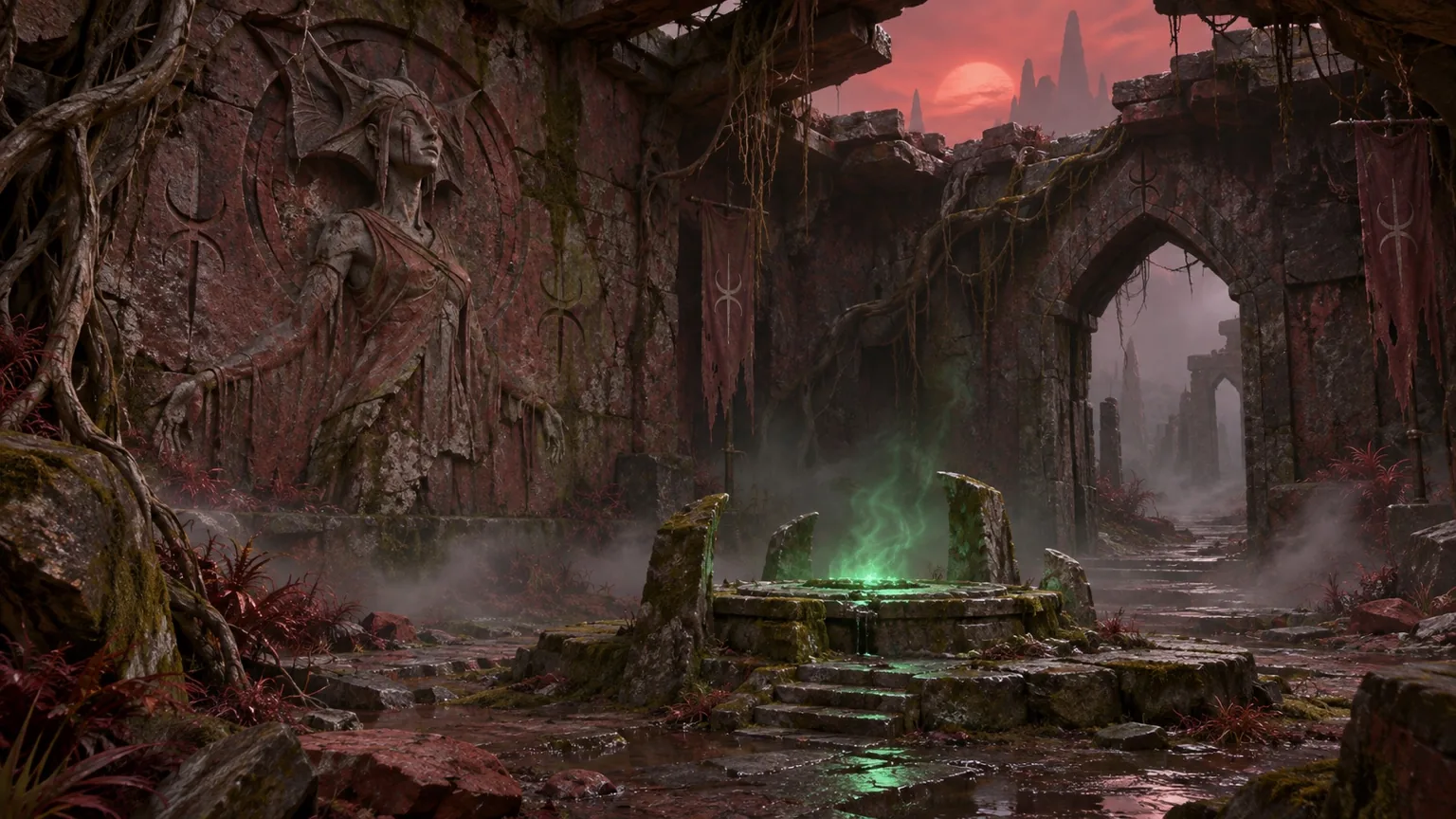 Interpretive reconstruction · select a visible feature
The pictured glowing object is an artistic reconstruction of an active ritual focus. The later Dathomir story includes a sacred altar struck by Ezra, but not this exact measured stone basin.
An overgrown courtyard and glowing altar interpret later Dathomiri ritual traces. In Rebels, Maul and Ezra used Nightsister magick before Ezra struck a sacred altar to end the threat from awakened spirits. The illustrated site is not a verified screenshot of that precise altar.
Long after the destruction of the old Nightsister order, Maul took Ezra Bridger to Dathomir seeking information connected to their visions from Jedi and Sith holocrons. They performed a ritual associated with Nightsister magic. In the resulting events, spirits were awakened and demanded host bodies, presenting a danger to the living. Ezra ultimately struck a sacred altar, ending the spectral threat. These developments are part of the official Dathomir history, rather than an invented later revival of the entire coven.
A ruined place need not be spiritually inert. The later Dathomir story shows how a ritual site could remain consequential after the institution that traditionally maintained its practices had been devastated. This provides a strong interpretive theme for the visual design: stones, growth, a surviving focal object and a passage between ruined spaces. The precise forms in the image are artistic; the narrative significance of Maul and Ezra’s ritual is supported by the official history. Visitors should not confuse the reconstructed altar with the exact object shown in Rebels.
Ancestral traditions and the survival of individual Nightsisters are not equivalent to proof that a fully organized coven operated unchanged at this later time. The archive therefore avoids giving the altar invented attendants, a documented daily schedule, or a modern governing council. Instead, it connects the image to known events and to the separate spaces of the older fortress, ritual chamber, and post-massacre ruins. This distinction keeps the physical drama of the setting while preserving uncertainty about what remained and who controlled it.
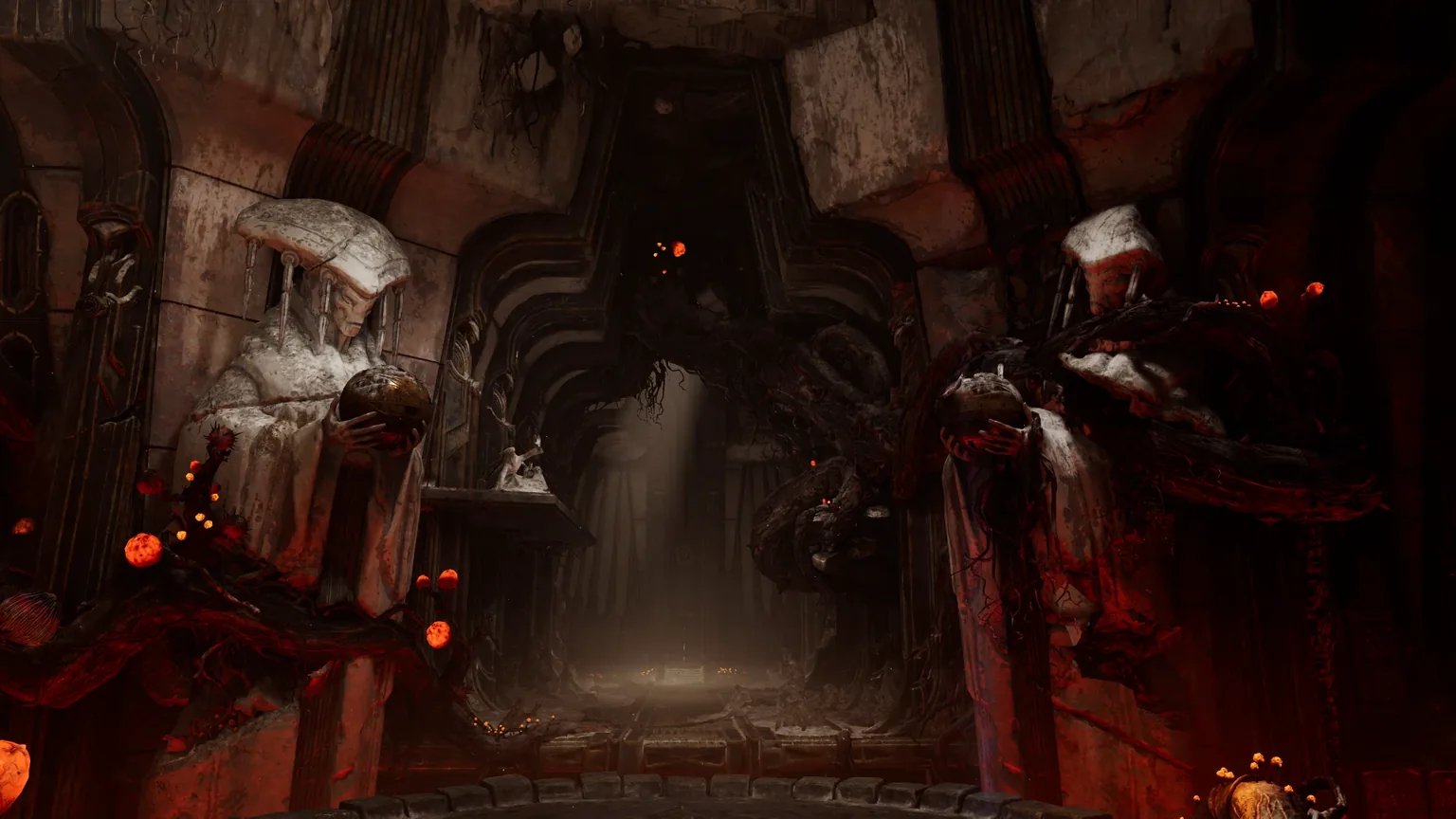 Tomb of Kujet ↗
The supporting visual shows a separate Dathomir setting and does not establish that these locations are adjacent; generated reconstructions and sourced game screenshots are distinguished on their destination pages.
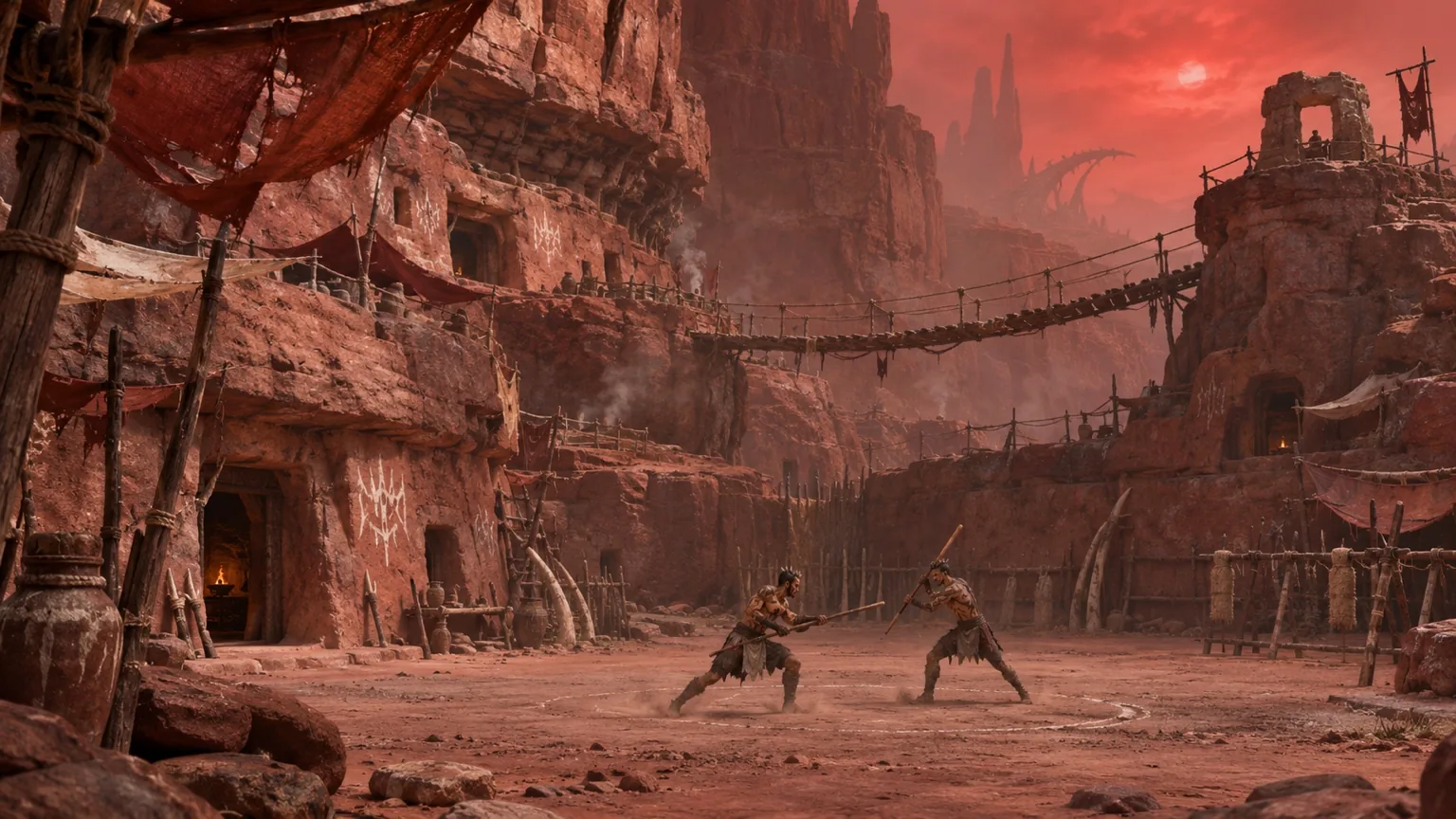 Clone Wars · distinct Nightbrother communityNightbrother villageSettlement, fighting grounds and separated authorityExplore this location ↗
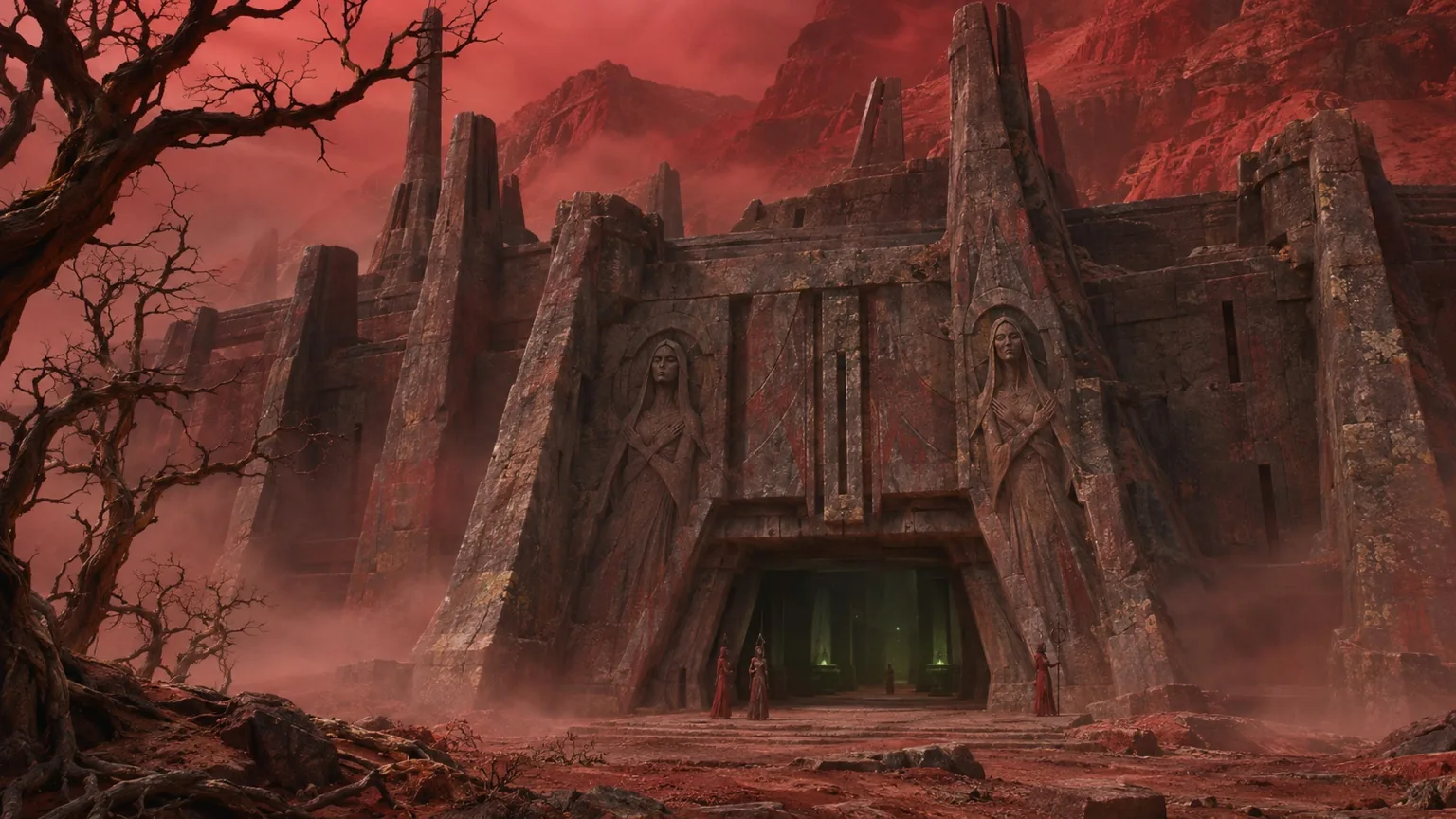 Clone Wars · before the massacreNightsister fortressAn institution of women, stone and the ForceExplore this location ↗
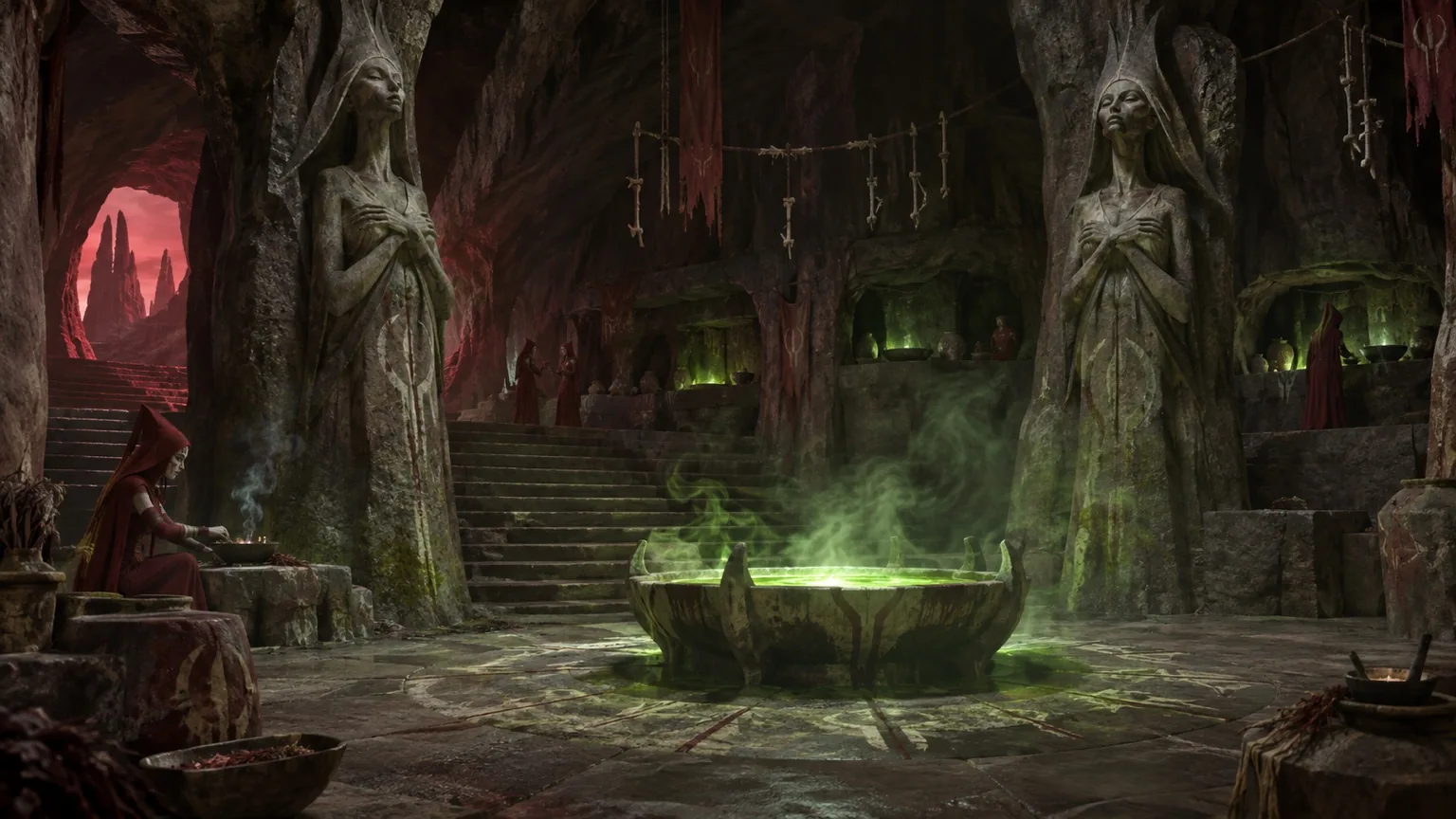 Clone Wars · Nightsister ritual traditionRitual chamberMagick, initiation and ancestral knowledgeExplore this location ↗
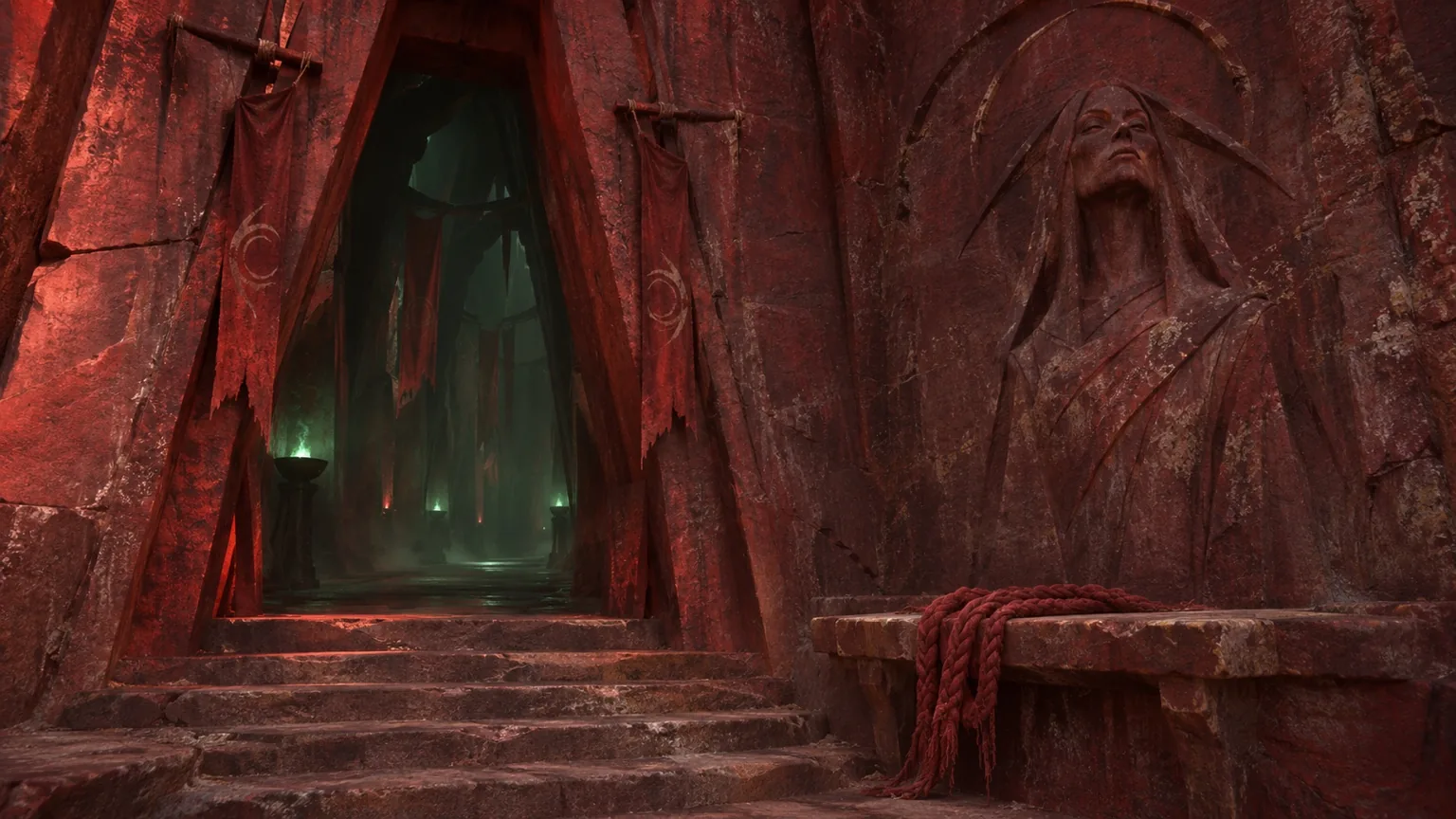 Clone Wars · spatial interpretationFortress thresholdPassing from the exterior into sacred spaceExplore this location ↗
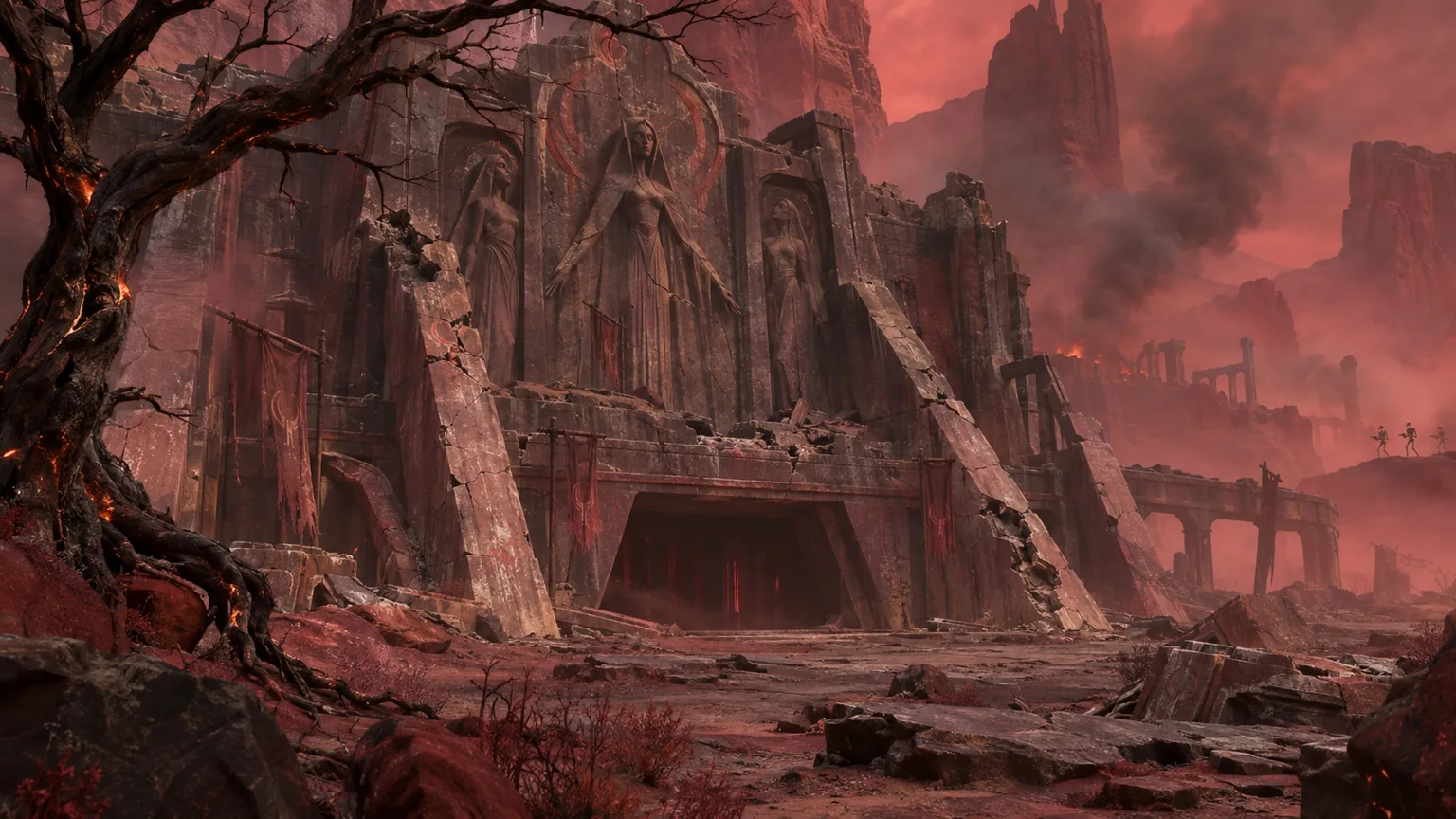 After the Nightsister massacreFortress ruinsDestruction, memory and survivalExplore this location ↗Later ritual traces · RebelsNightsister altarSpirits, sacred objects and later encountersExplore this location ↗Jedi: Fallen Order · Imperial eraTomb of KujetZeffo funerary power, Malicos and MerrinExplore this location ↗
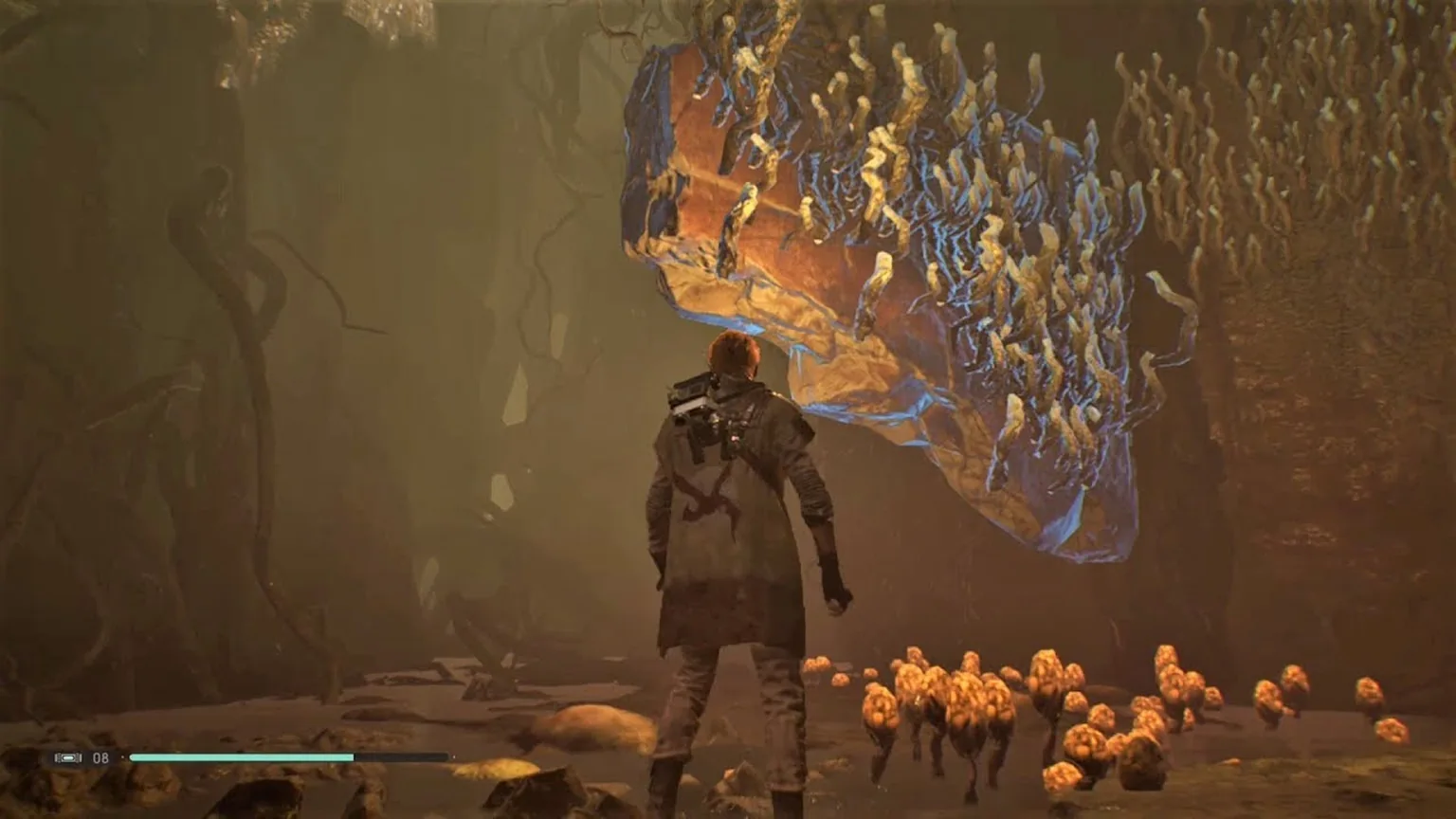 Jedi: Fallen Order · Imperial eraSwamp of SacrificeFungal wetlands, hazards and an abandoned arenaExplore this location ↗
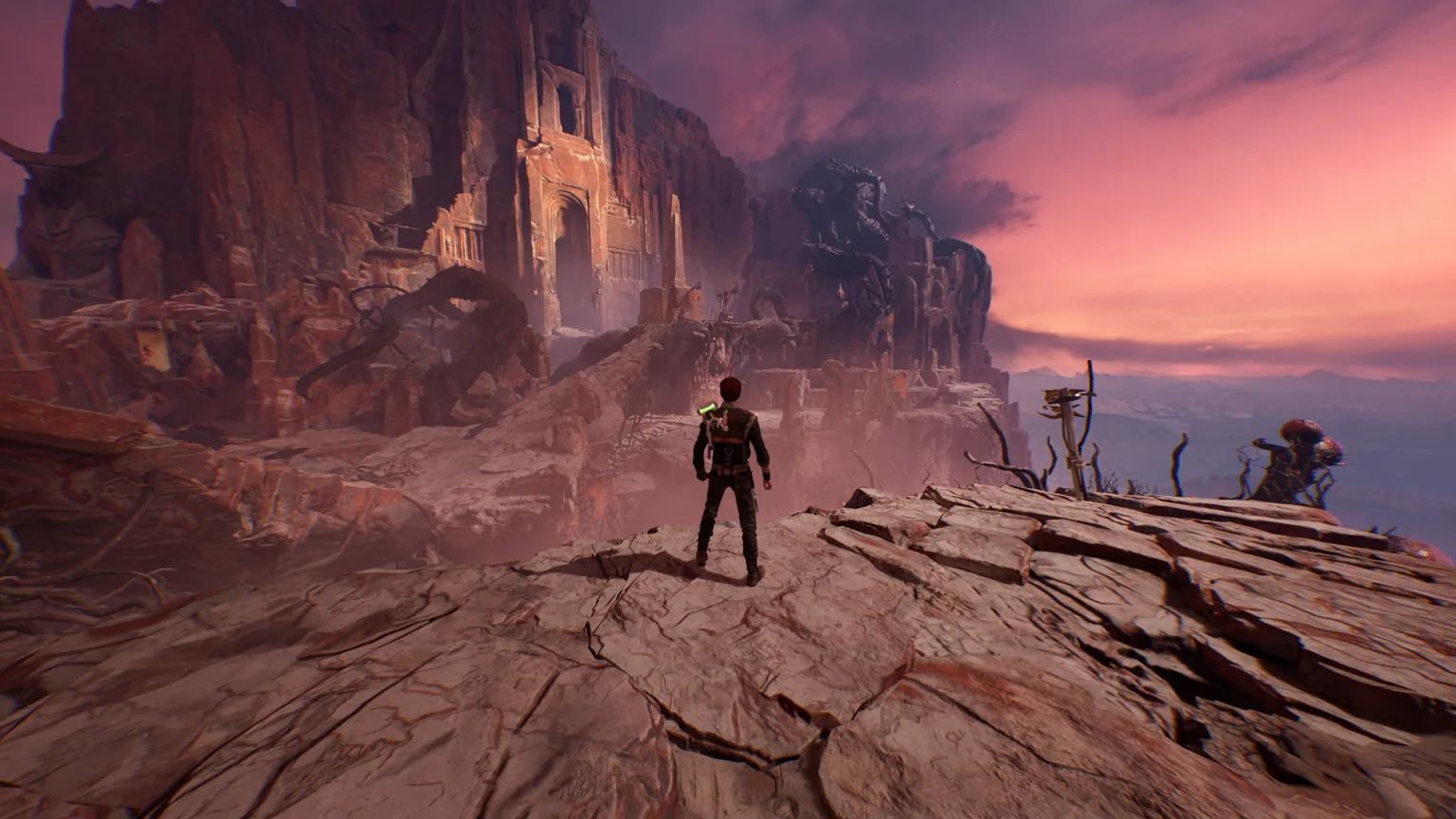 Jedi: Fallen Order · Imperial eraWitches HornHigh cliffs, ritual traces and Gorgara’s lairExplore this location ↗
Mentioned in this file