
Broken monumental figures
Damaged female carvings link the ruin visually to the Nightsisters’ documented fortress architecture. Their exact destruction pattern is not from a verified survey.
Destruction, memory and survival
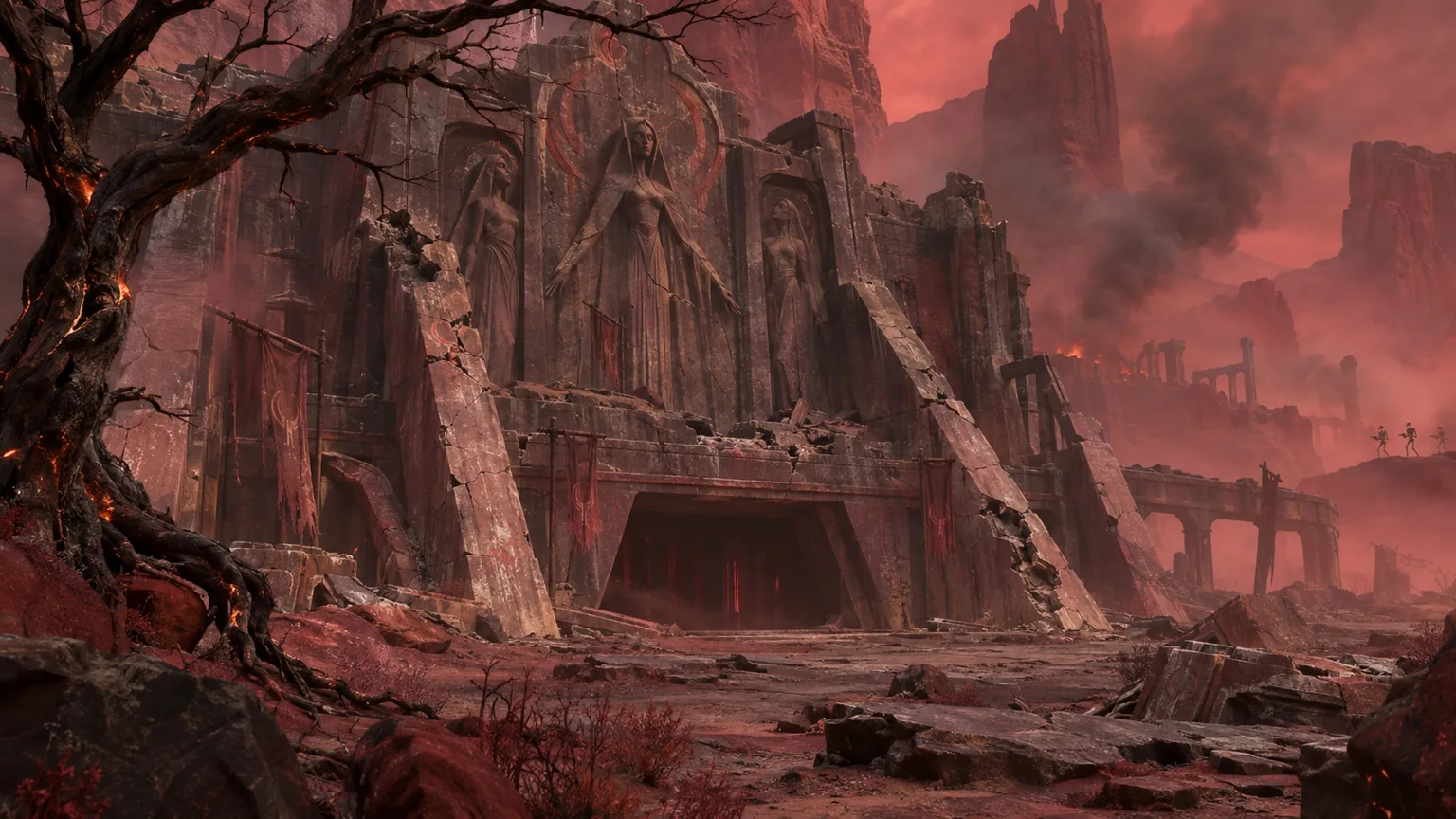 Interpretive reconstruction · select a visible feature
Damaged female carvings link the ruin visually to the Nightsisters’ documented fortress architecture. Their exact destruction pattern is not from a verified survey.
This damaged monumental complex is an original interpretation of post-massacre Dathomir. General Grievous attacked the Nightsisters, but no verified source establishes that every pictured wall or statue fell in precisely this manner.
Count Dooku ordered General Grievous to attack the Nightsisters after their plots against him. The witches fought back, including through extraordinary magick, but their defenses failed and most of the order was killed. Official histories emphasize the massacre and destruction of the community. They do not supply a building-by-building architectural inventory of damage. This illustration therefore uses a devastated facade to convey a confirmed historical rupture without asserting that the rubble belongs to a specific recorded corridor.
Destruction of an institution is not identical to the disappearance of all its members. Merrin survived the massacre as a child and later encountered the former Jedi Taron Malicos and Cal Kestis. Her choices demonstrate the continued agency of a Nightsister beyond the collapse of the old coven. Ventress and others also have histories that cannot be reduced to the fate of one fortress. The page links to individual biographies rather than treating surviving Nightsisters as interchangeable witnesses.
Ruins can be read as material reminders of past forms of authority. The presence of female figures in an imagined damaged fortress calls back to the documented carvings in the intact structure. However, the archive does not invent inscriptions, burial markers, or verified restoration work. Elsewhere in Dathomir’s later stories, surviving ritual places retain power and danger. Linking this ruin to the altar setting helps visitors compare physical destruction with the persistence of religious associations in a landscape whose history remains consequential.
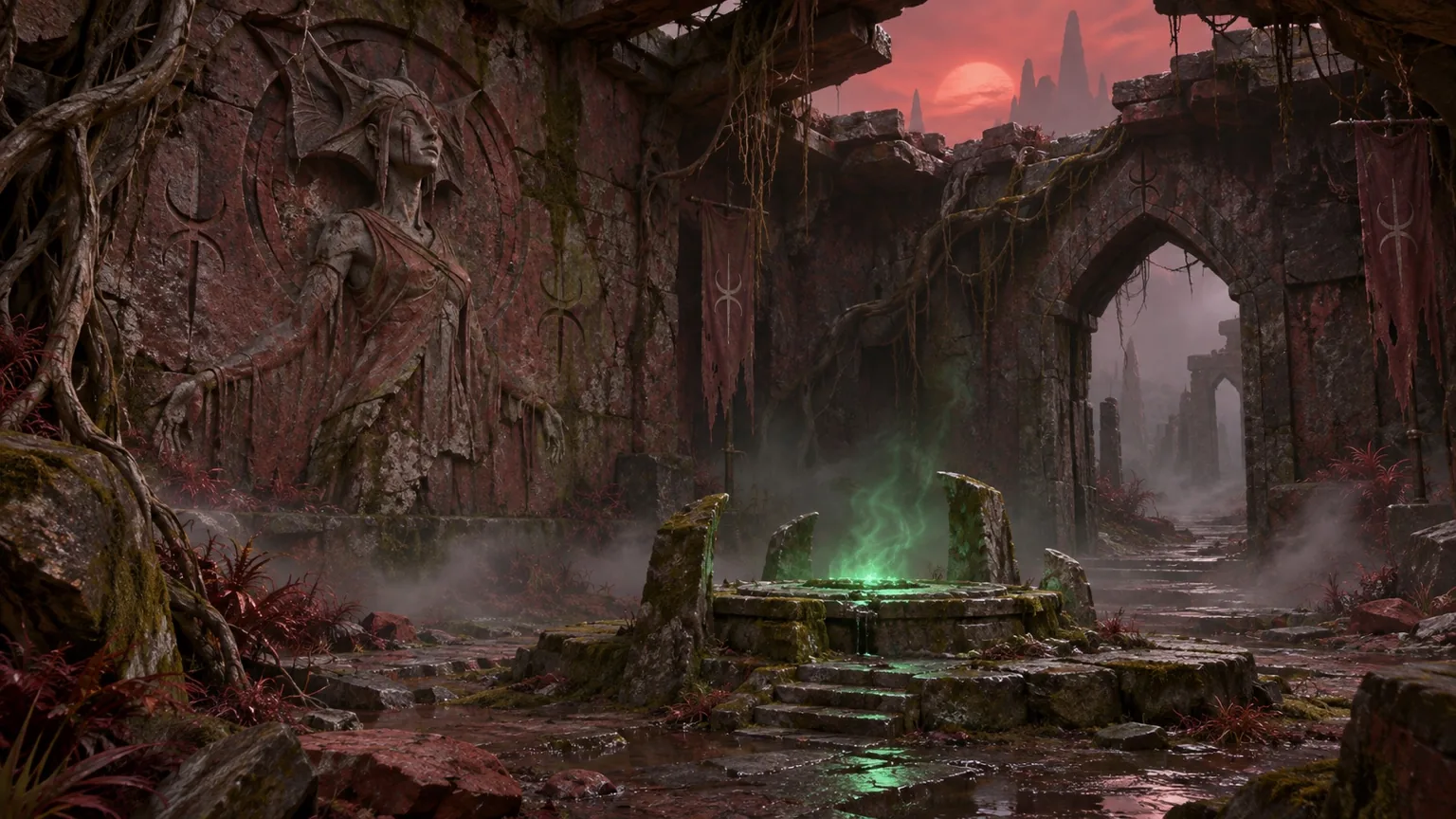 Nightsister altar ↗
The supporting visual shows a separate Dathomir setting and does not establish that these locations are adjacent; generated reconstructions and sourced game screenshots are distinguished on their destination pages.
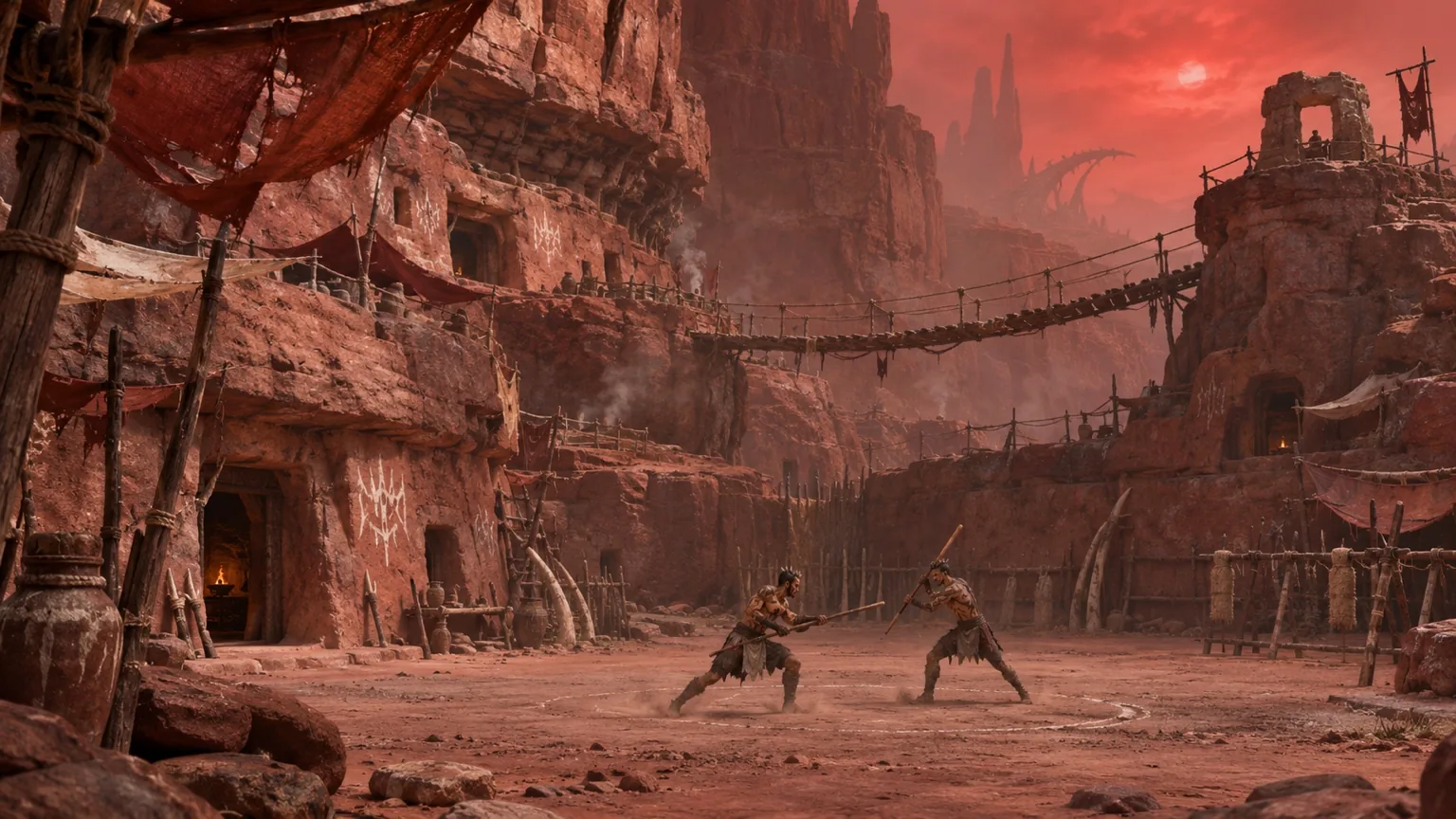 Clone Wars · distinct Nightbrother communityNightbrother villageSettlement, fighting grounds and separated authorityExplore this location ↗
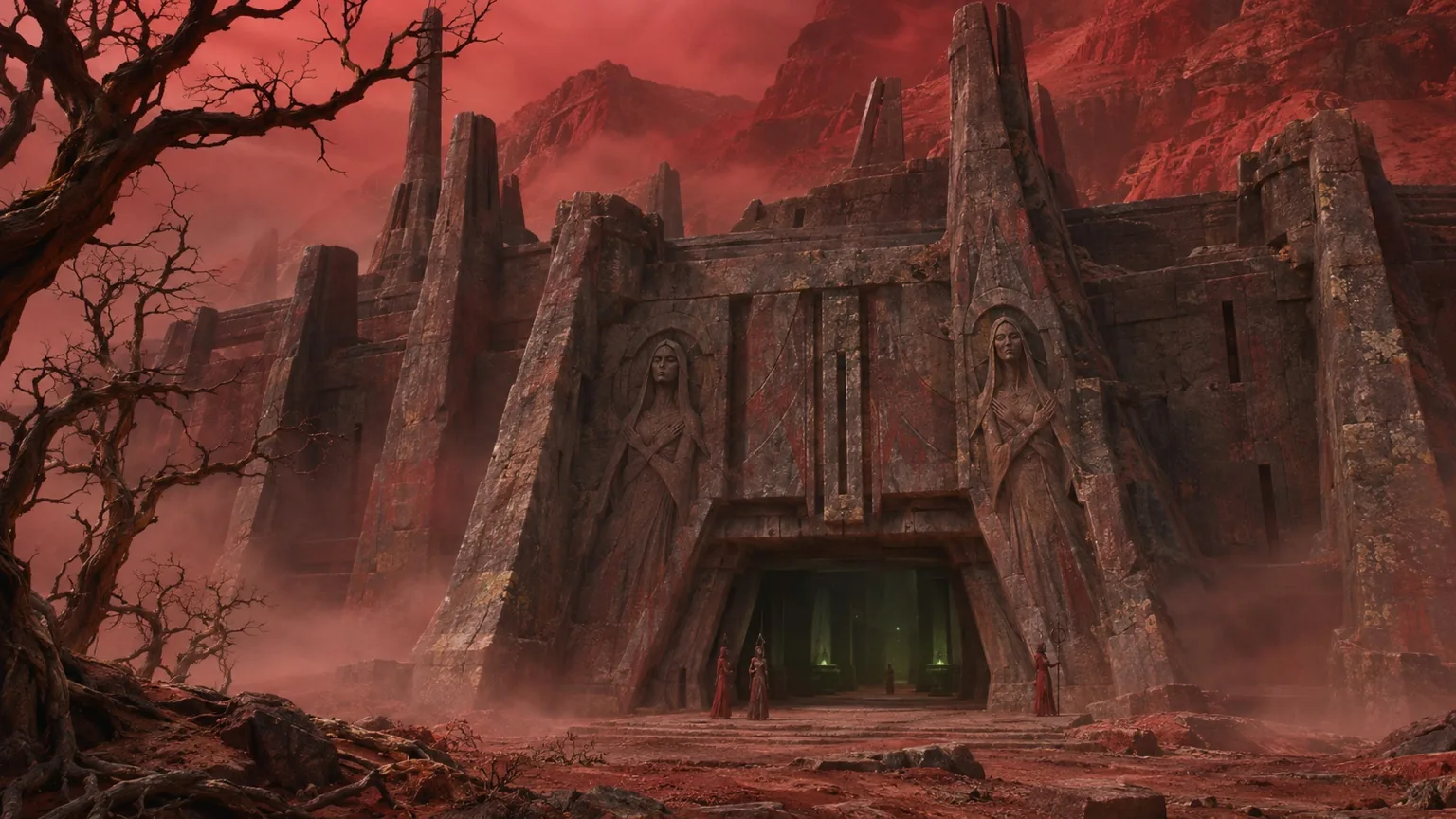 Clone Wars · before the massacreNightsister fortressAn institution of women, stone and the ForceExplore this location ↗
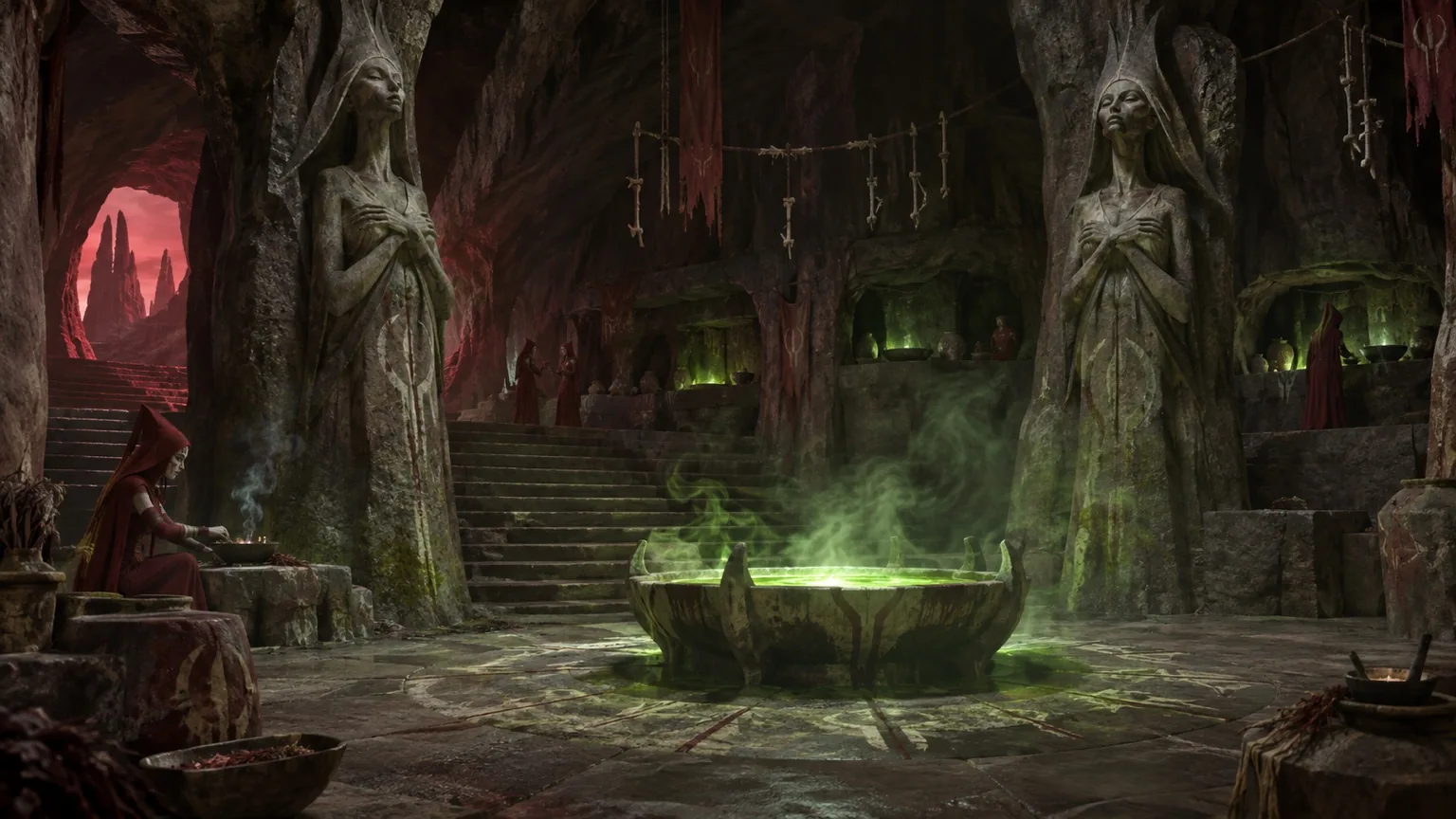 Clone Wars · Nightsister ritual traditionRitual chamberMagick, initiation and ancestral knowledgeExplore this location ↗
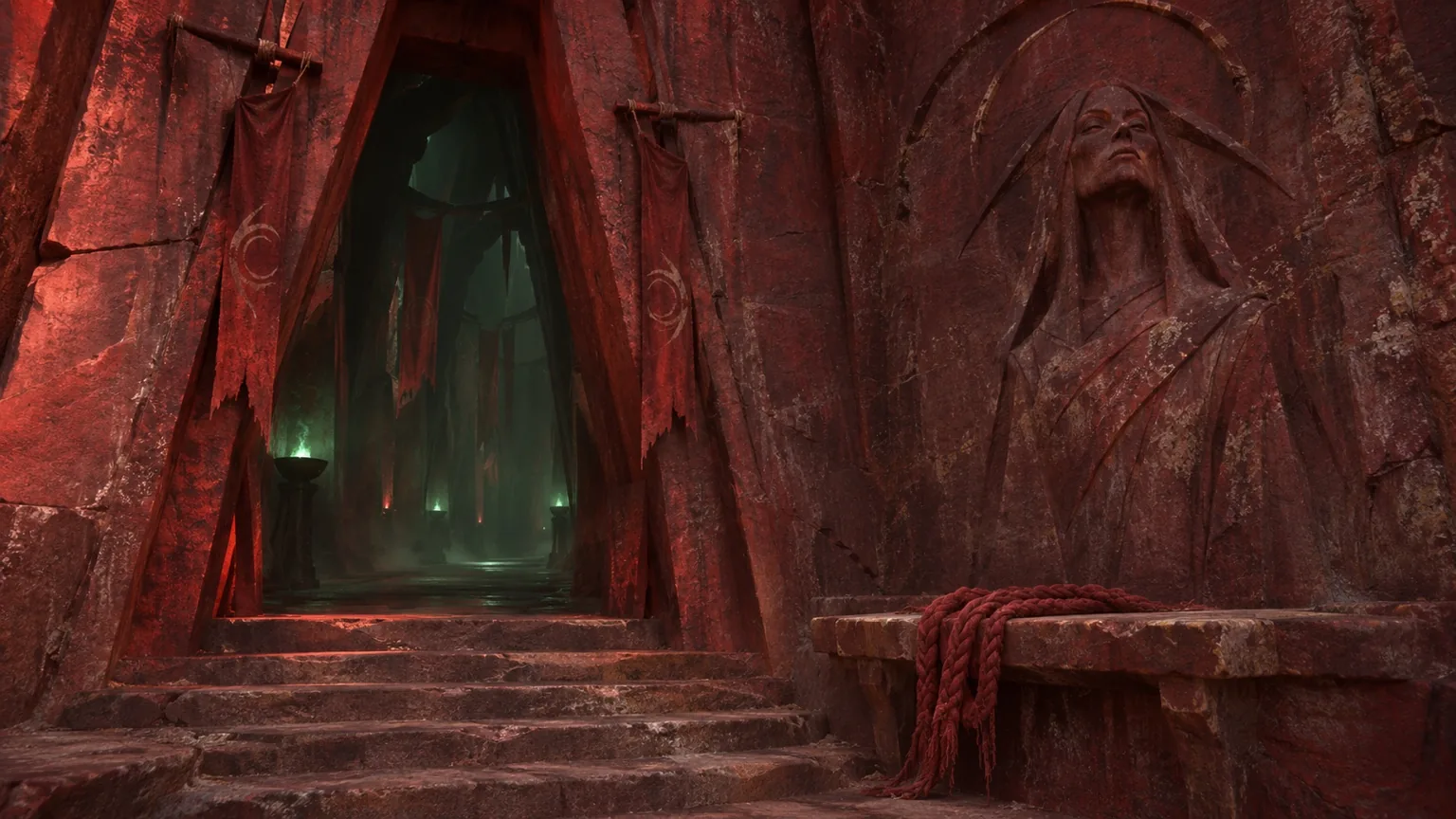 Clone Wars · spatial interpretationFortress thresholdPassing from the exterior into sacred spaceExplore this location ↗After the Nightsister massacreFortress ruinsDestruction, memory and survivalExplore this location ↗Later ritual traces · RebelsNightsister altarSpirits, sacred objects and later encountersExplore this location ↗
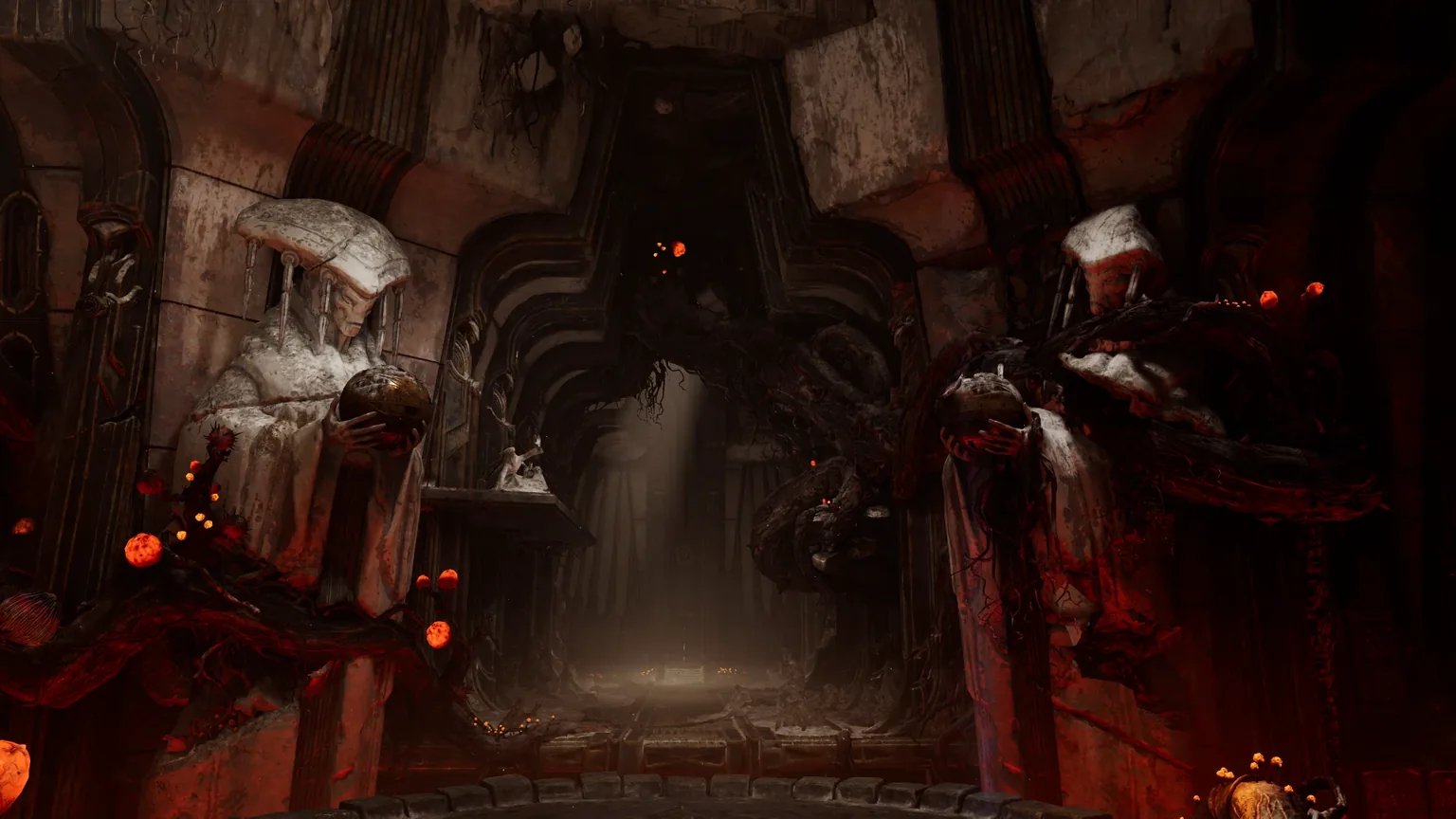 Jedi: Fallen Order · Imperial eraTomb of KujetZeffo funerary power, Malicos and MerrinExplore this location ↗
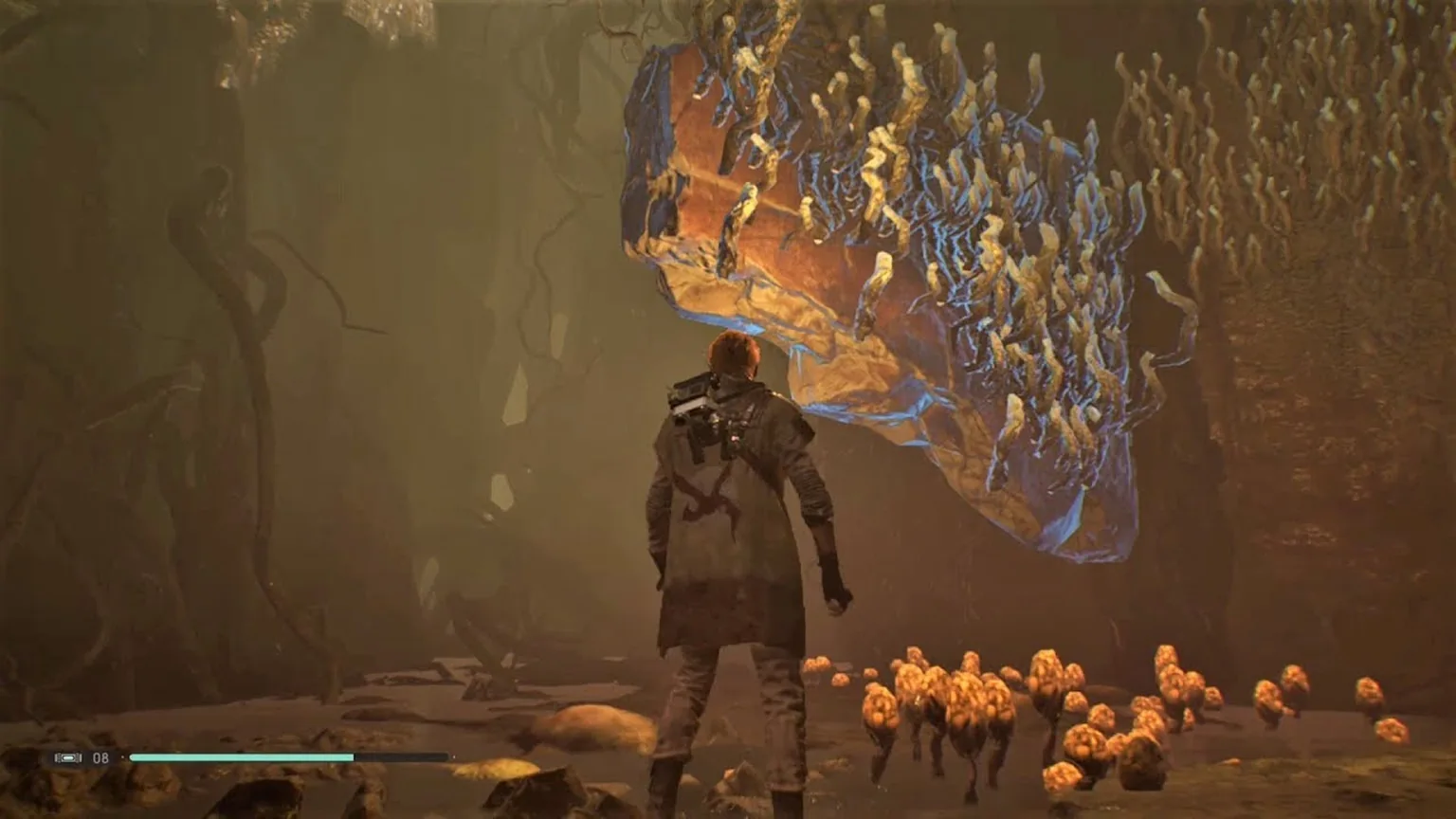 Jedi: Fallen Order · Imperial eraSwamp of SacrificeFungal wetlands, hazards and an abandoned arenaExplore this location ↗
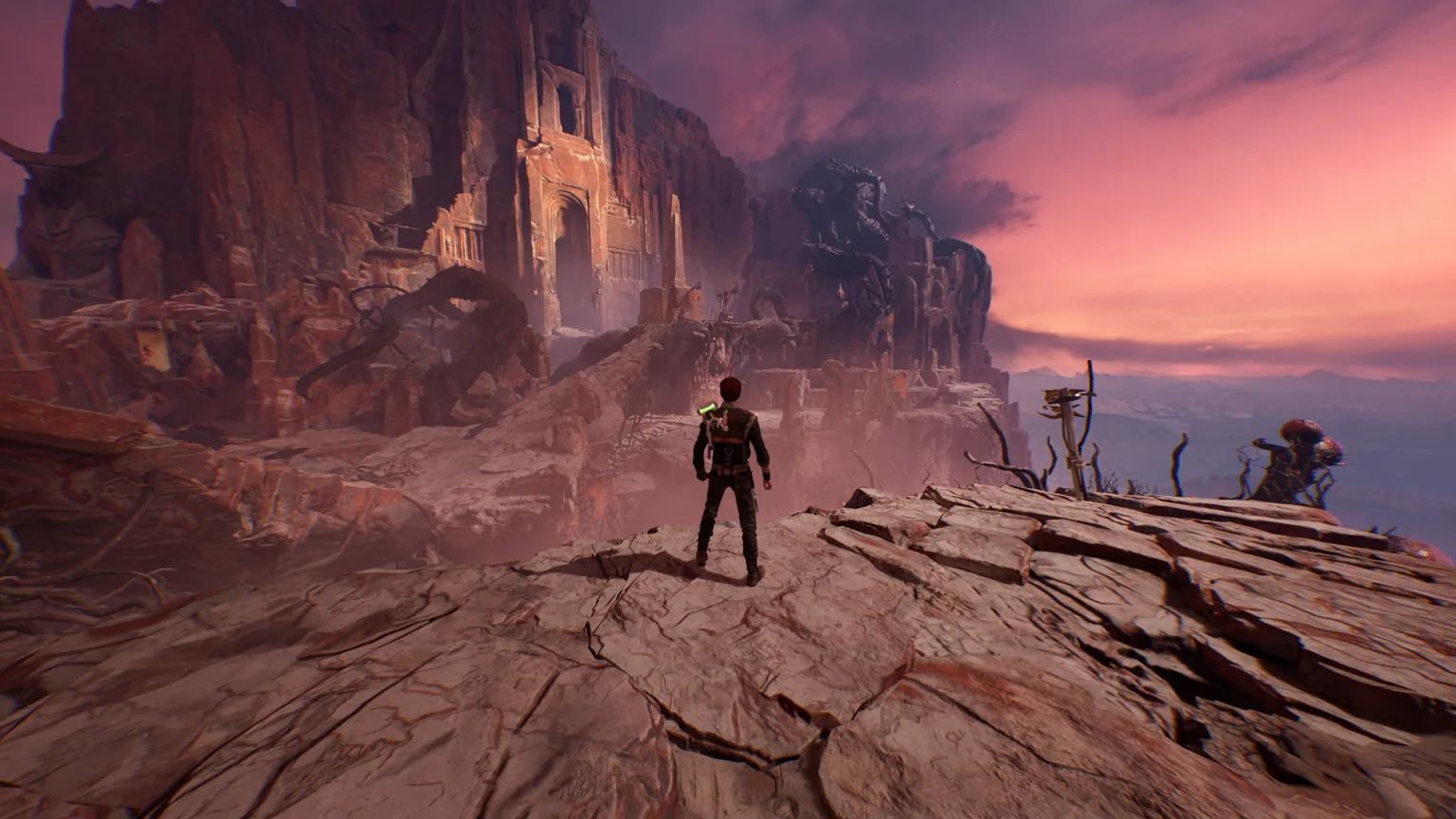 Jedi: Fallen Order · Imperial eraWitches HornHigh cliffs, ritual traces and Gorgara’s lairExplore this location ↗
Mentioned in this file