
Hanging growth
Dense hanging organic growth dominates the upper part of this playable environment. Its presence conveys a habitat more complex than bare red rock.
Fungal wetlands, hazards and an abandoned arena
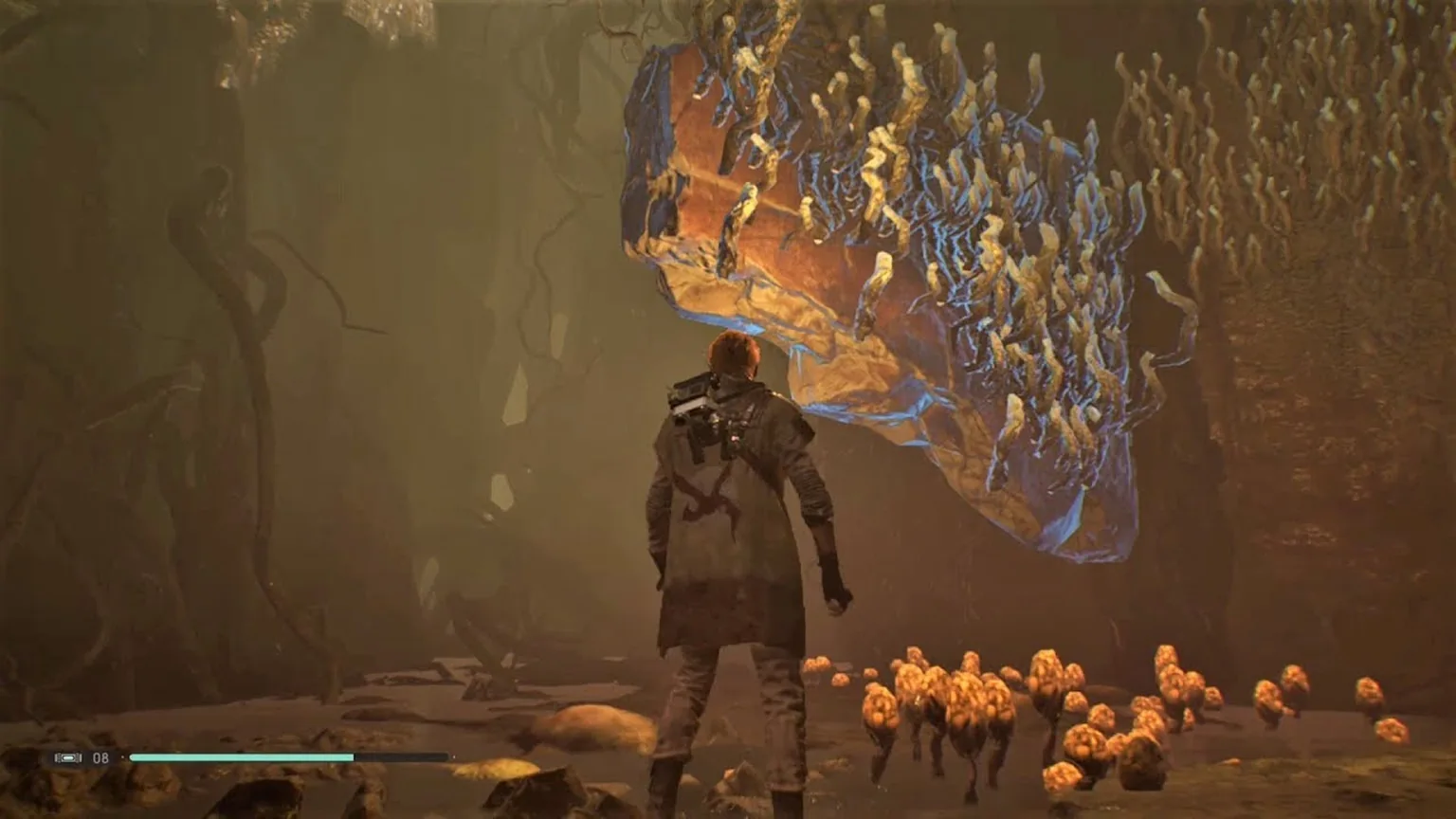 Game reference image · explore pictured or contextual features
Dense hanging organic growth dominates the upper part of this playable environment. Its presence conveys a habitat more complex than bare red rock.
Image: Swamp of Sacrifice gameplay screenshot; Star Wars Jedi: Fallen Order © Lucasfilm / EA / Respawn. View original source ↗
This gameplay still shows a dark passage and its unusual Dathomir growth in the Swamp of Sacrifice. The area also includes wet ground, Nightbrother material traces and hostile wildlife outside this frame.
Dathomir’s landscape includes swamps, forests and rocky valleys, not just the ritual architecture associated with the Nightsisters. The Swamp of Sacrifice is one of the clearest game-era environments in which players see the planet as an ecosystem. The player moves through waterlogged ground and vegetation while navigating threats from local wildlife. The screenshot documents a dark passage and dense growth within the broader playable region; it does not show every part of the wetlands.
Jedi: Fallen Order’s environmental records place an arena associated with the Nightbrothers in the swamp. The setting connects martial activity to the landscape, but it does not establish the same arena as the training circle of the existing Nightbrother village illustration. Nor should it be treated as the site where Asajj Ventress selected Savage Opress without separate evidence. This is one reason the hub treats Dathomir’s views as distinct settings instead of falsely stitching them into a single panoramic map.
The game records environmental details including fire lichen, brula fruit and Bleeding Guts. These observations help differentiate Dathomir’s inhabited ecology from a generic red-rock world. Fungi and fruiting organisms suggest that a grim appearance is not the same as a barren planet. They matter to the player as material to scan and collect, and to the archive as evidence that wetlands sustain organisms and influence movement.
Lesser nydaks and bane-back spiders recur across Dathomir in the game. Their presence changes how visitors understand the swamp: a sacred or contested place remains an animal habitat. The danger does not come only from survivors of the massacre or from ritual magic. The accompanying screenshot is a visual reference, not a tactical guide or a claim about the precise location of enemies.
 Witches Horn ↗
The supporting visual shows a separate Dathomir setting and does not establish that these locations are adjacent; generated reconstructions and sourced game screenshots are distinguished on their destination pages.
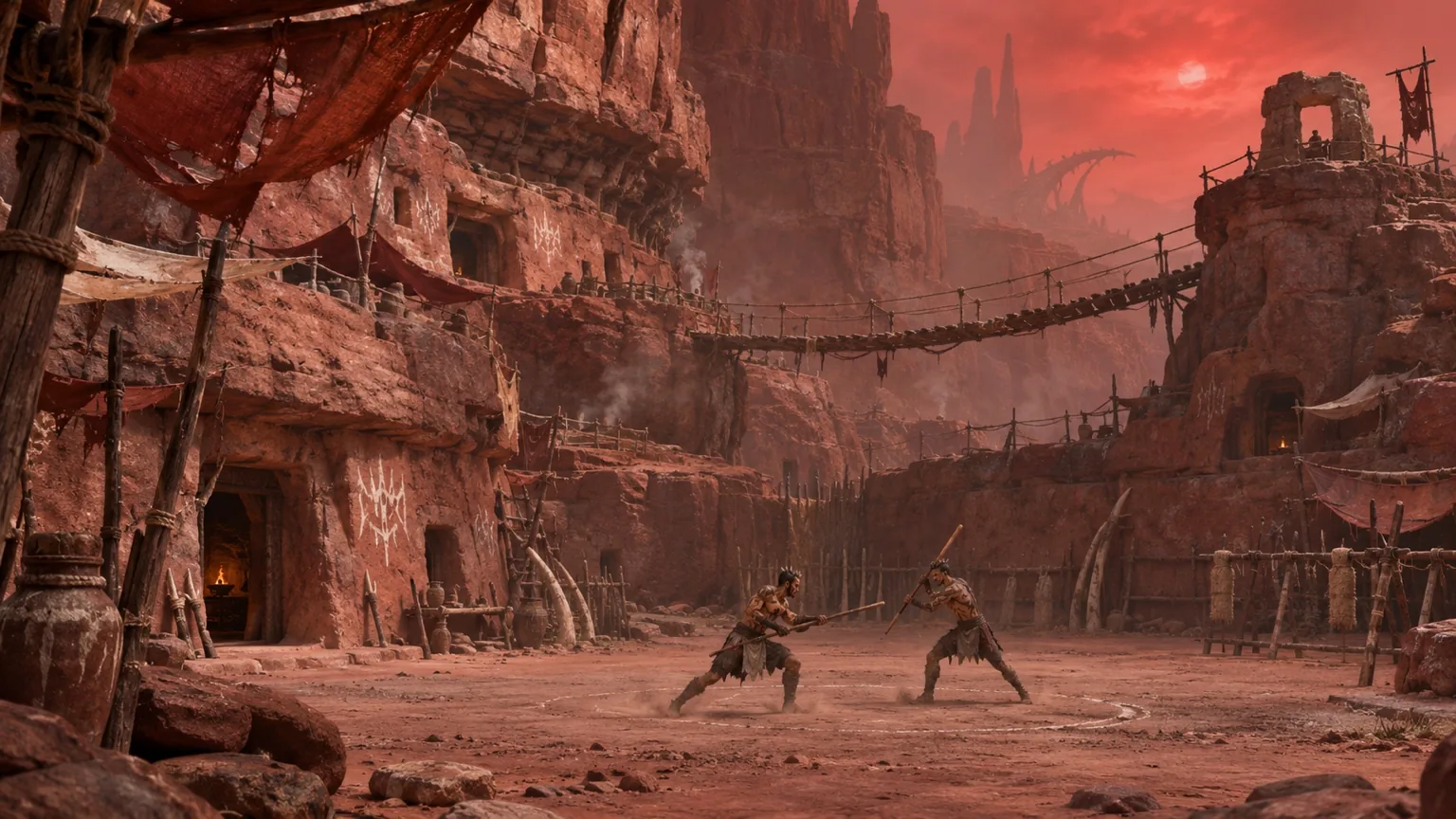 Clone Wars · distinct Nightbrother communityNightbrother villageSettlement, fighting grounds and separated authorityExplore this location ↗
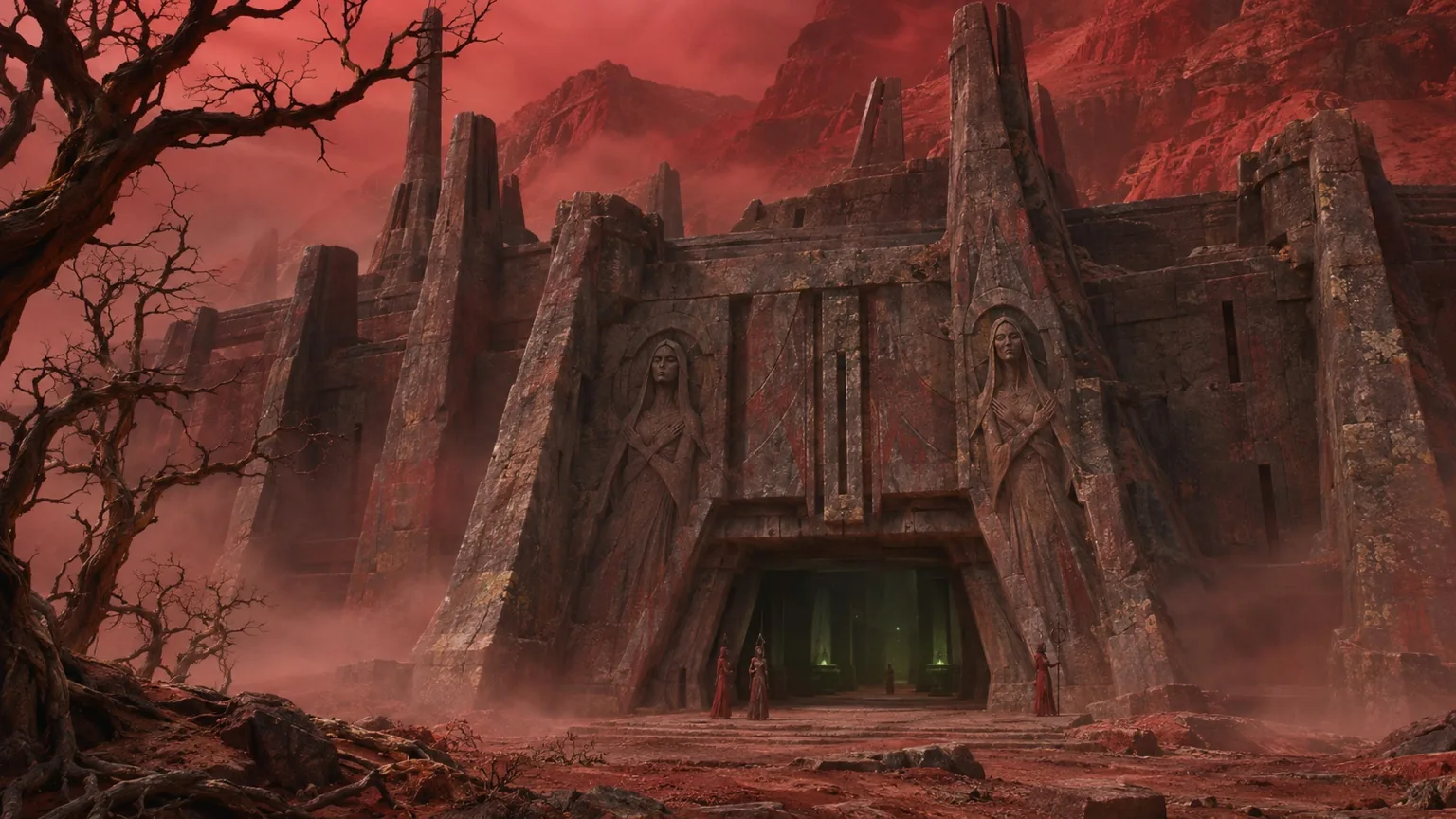 Clone Wars · before the massacreNightsister fortressAn institution of women, stone and the ForceExplore this location ↗
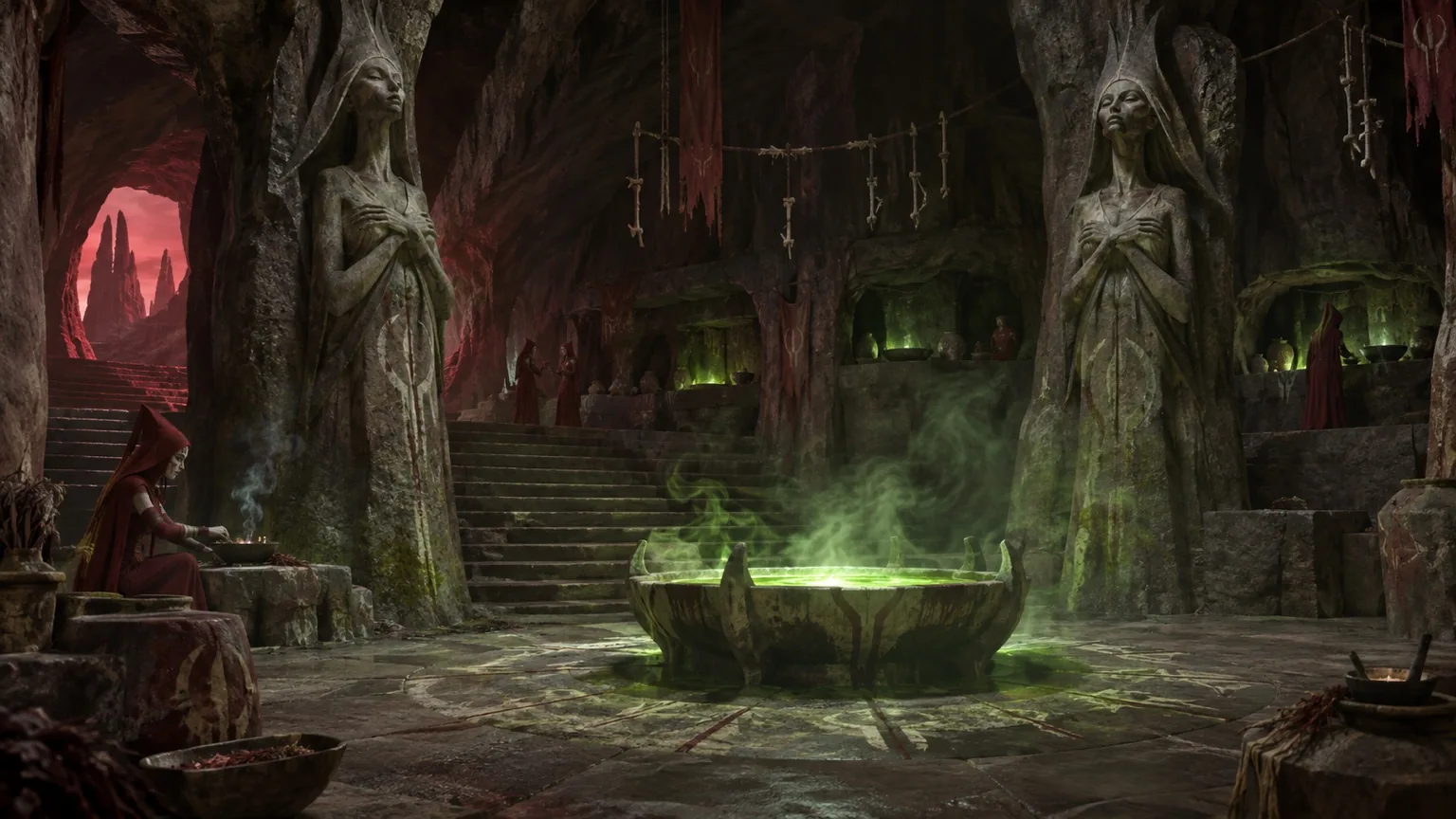 Clone Wars · Nightsister ritual traditionRitual chamberMagick, initiation and ancestral knowledgeExplore this location ↗
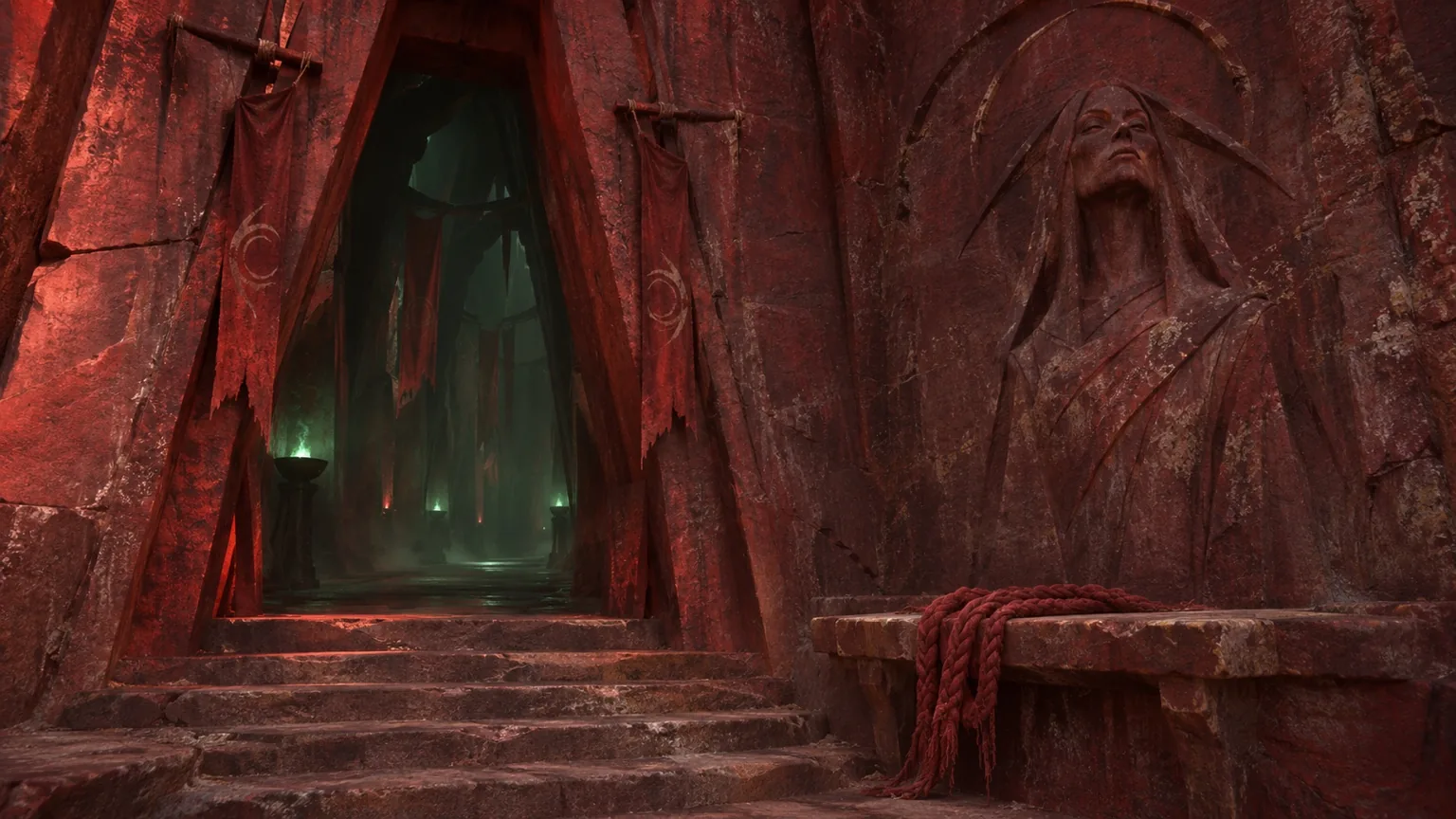 Clone Wars · spatial interpretationFortress thresholdPassing from the exterior into sacred spaceExplore this location ↗
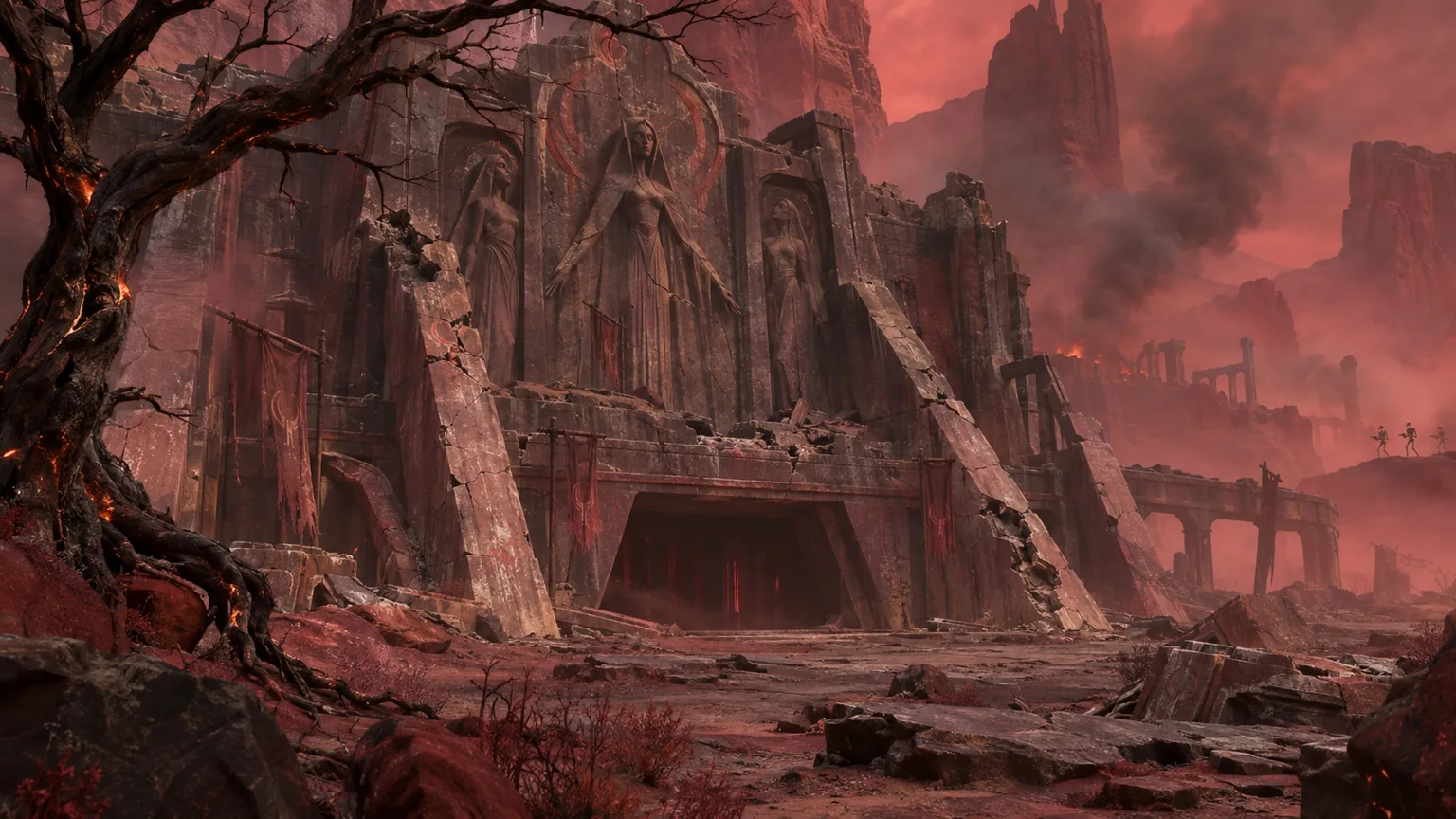 After the Nightsister massacreFortress ruinsDestruction, memory and survivalExplore this location ↗
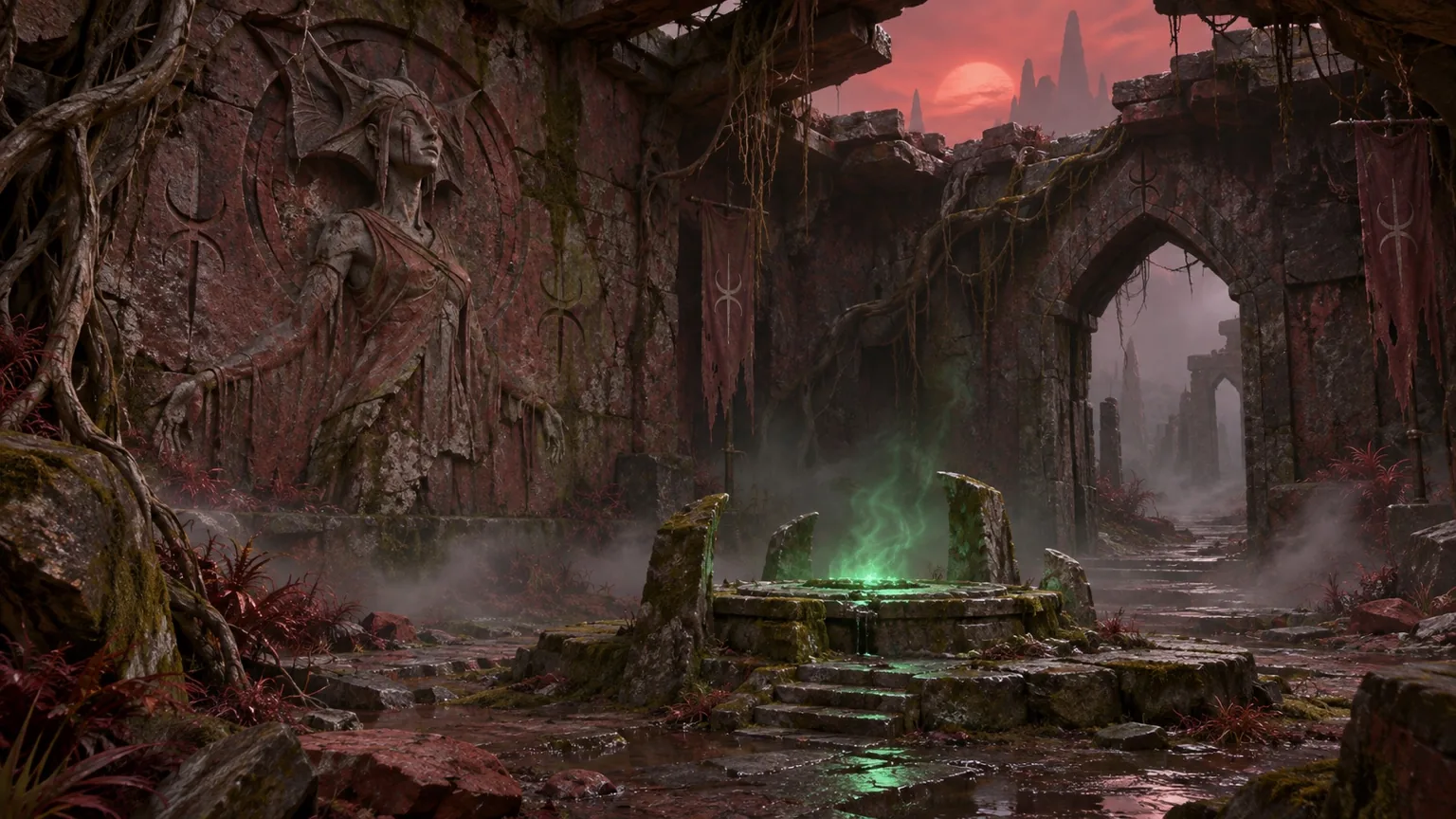 Later ritual traces · RebelsNightsister altarSpirits, sacred objects and later encountersExplore this location ↗
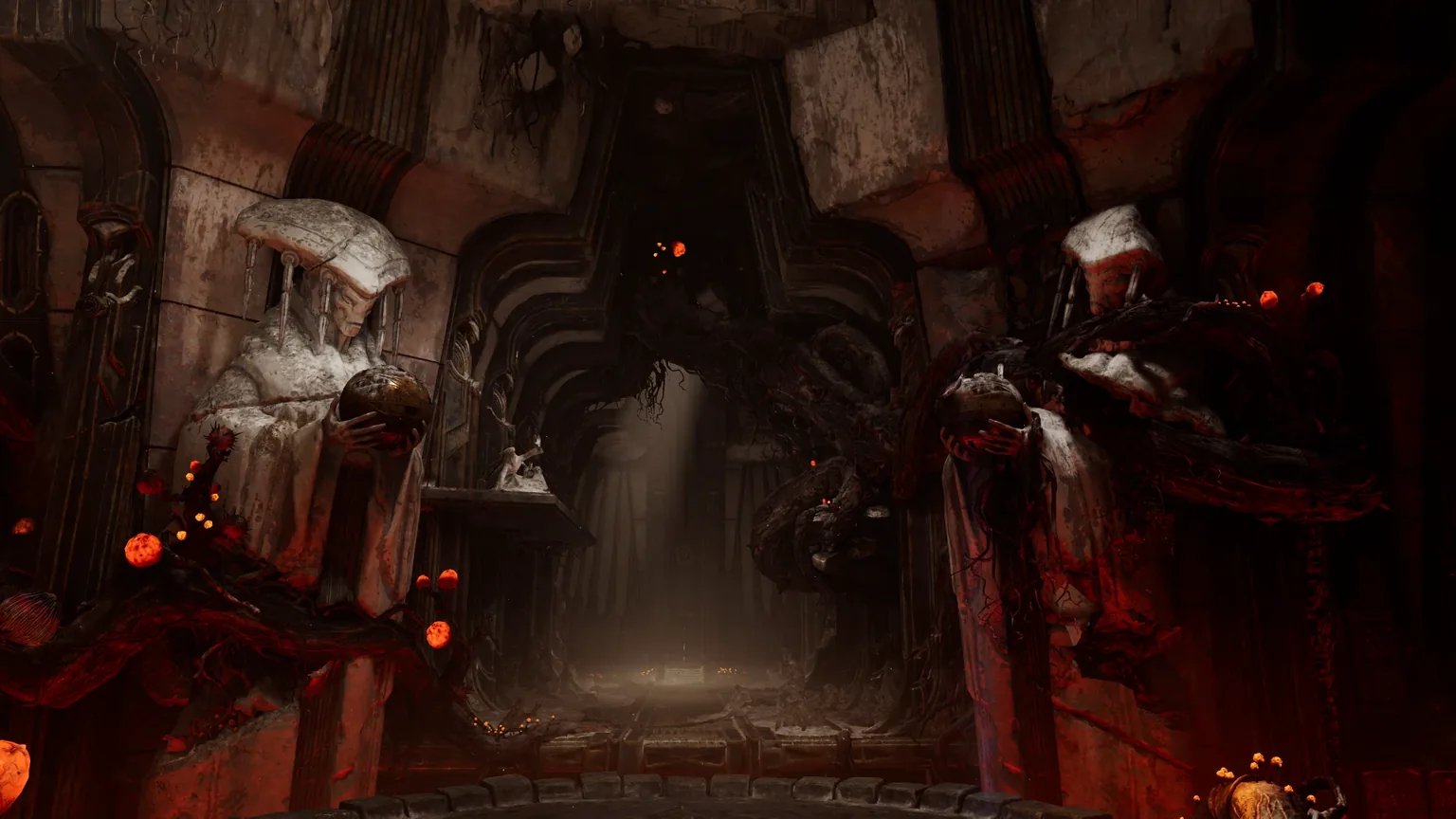 Jedi: Fallen Order · Imperial eraTomb of KujetZeffo funerary power, Malicos and MerrinExplore this location ↗Jedi: Fallen Order · Imperial eraSwamp of SacrificeFungal wetlands, hazards and an abandoned arenaExplore this location ↗Jedi: Fallen Order · Imperial eraWitches HornHigh cliffs, ritual traces and Gorgara’s lairExplore this location ↗
Mentioned in this file