
Green ritual basin
The illuminated bowl is an artistic focus for the Nightsisters’ distinctive Force practices. Official accounts describe rituals and magick, but not the exact construction or function of this pictured basin.
Magick, initiation and ancestral knowledge
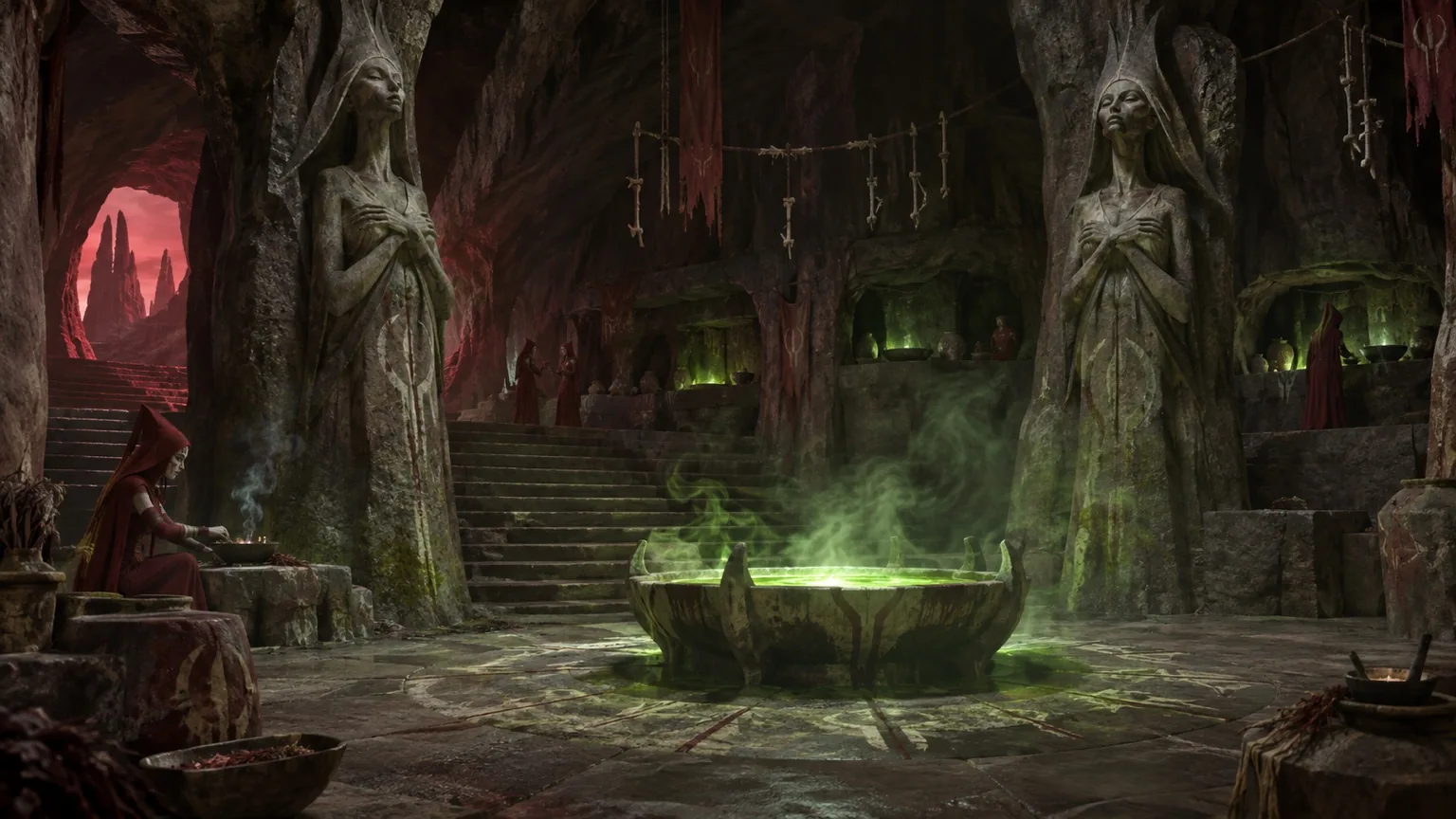 Interpretive reconstruction · select a visible feature
The illuminated bowl is an artistic focus for the Nightsisters’ distinctive Force practices. Official accounts describe rituals and magick, but not the exact construction or function of this pictured basin.
Green-lit ritual imagery evokes the official descriptions of Nightsister magick inside their fortress. The cauldron, sculpted figures, and hanging charms in this particular artwork are interpretive rather than documented props from a single ritual.
Nightsister magick was not simply a collection of battlefield effects. It was part of a learned ritual system, supported by specialists, inherited relationships, and material arrangements. Mother Talzin used striking Force abilities and divination, including the well-documented crystal ball through which she could seek information about people at a distance. Other episodes describe rituals that transformed Savage Opress and permitted spirit-related practices. The image’s green light visually recalls these stories, but no particular cauldron shown here should be identified as the one used in a specific episode.
Official Nightsister histories describe women having to demonstrate worthiness and participate in a magical baptism to join the order. That account links ritual performance with the recognition of membership. It does not publish a complete procedure, a floor plan for a single initiation chamber, or the tools used by every coven member. The carved figures and central ceremonial space in this original artwork are therefore a visual entry into discussing membership, authority, and tradition rather than evidence that those particular arrangements existed.
The Nightsisters honored their dead and, under extraordinary circumstances, drew upon the bodies of deceased sisters. Their history includes cocoons suspended from trees and the raising of the dead against invading forces. Such practices reveal the unusually close connection between kinship, mortality, and supernatural power in the order’s worldview. This chamber should not be mistaken for a documented cocoon burial site. The separate ruin and altar experiences examine death, destruction, and the persistence of ritual traces after the order’s collapse.
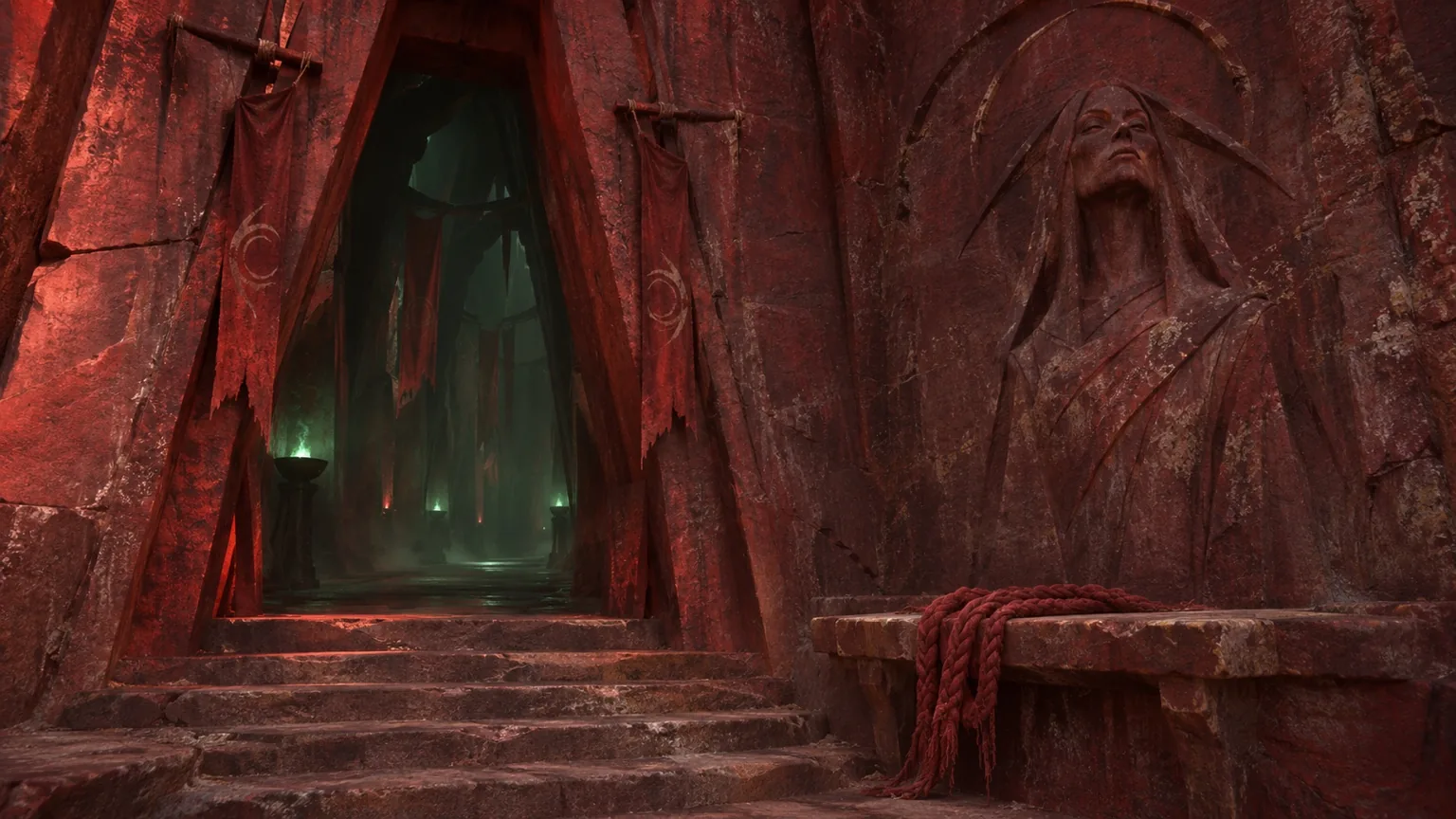 Fortress threshold ↗
The supporting visual shows a separate Dathomir setting and does not establish that these locations are adjacent; generated reconstructions and sourced game screenshots are distinguished on their destination pages.
 Clone Wars · distinct Nightbrother communityNightbrother villageSettlement, fighting grounds and separated authorityExplore this location ↗
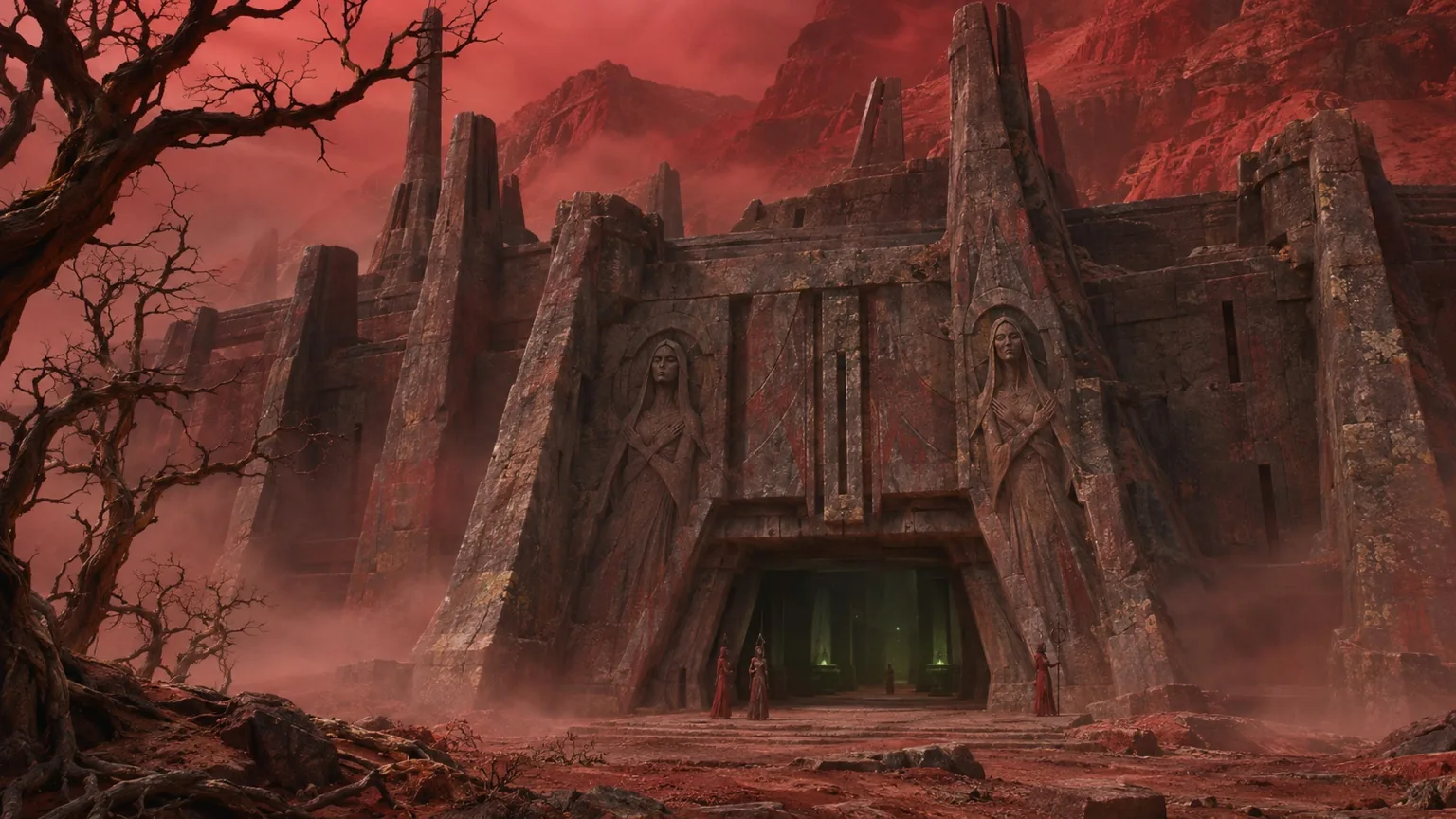 Clone Wars · before the massacreNightsister fortressAn institution of women, stone and the ForceExplore this location ↗Clone Wars · Nightsister ritual traditionRitual chamberMagick, initiation and ancestral knowledgeExplore this location ↗Clone Wars · spatial interpretationFortress thresholdPassing from the exterior into sacred spaceExplore this location ↗
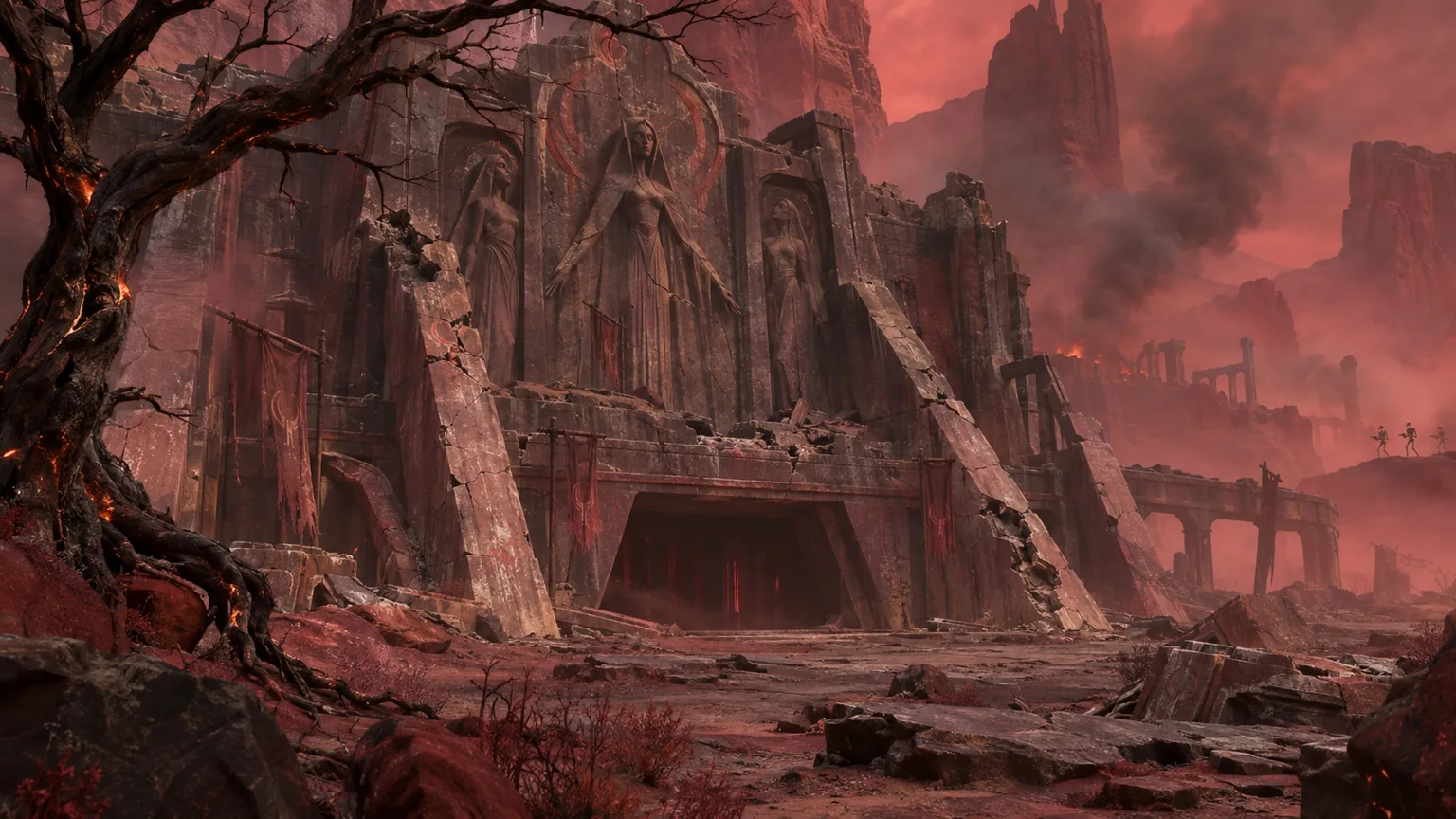 After the Nightsister massacreFortress ruinsDestruction, memory and survivalExplore this location ↗
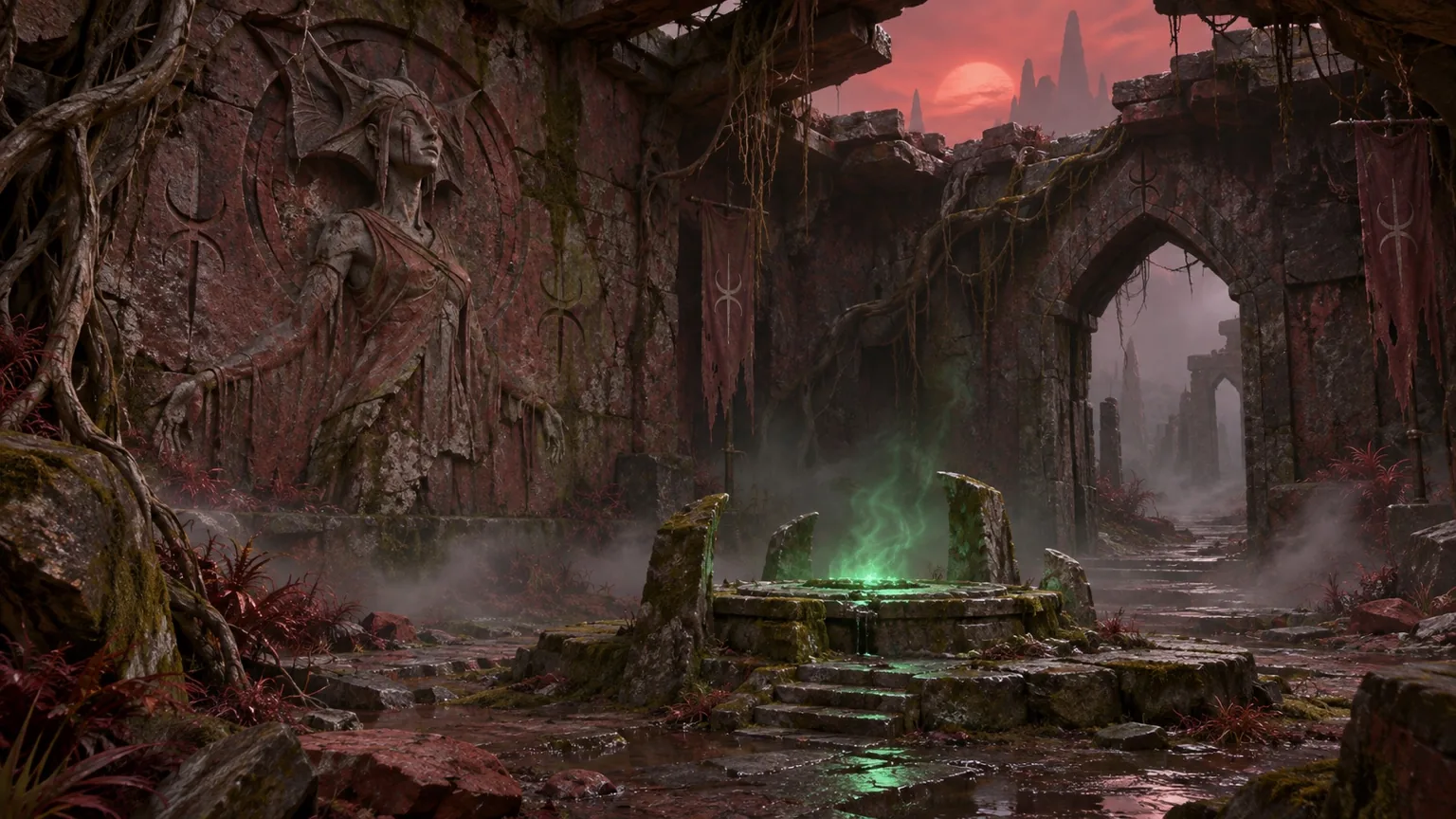 Later ritual traces · RebelsNightsister altarSpirits, sacred objects and later encountersExplore this location ↗
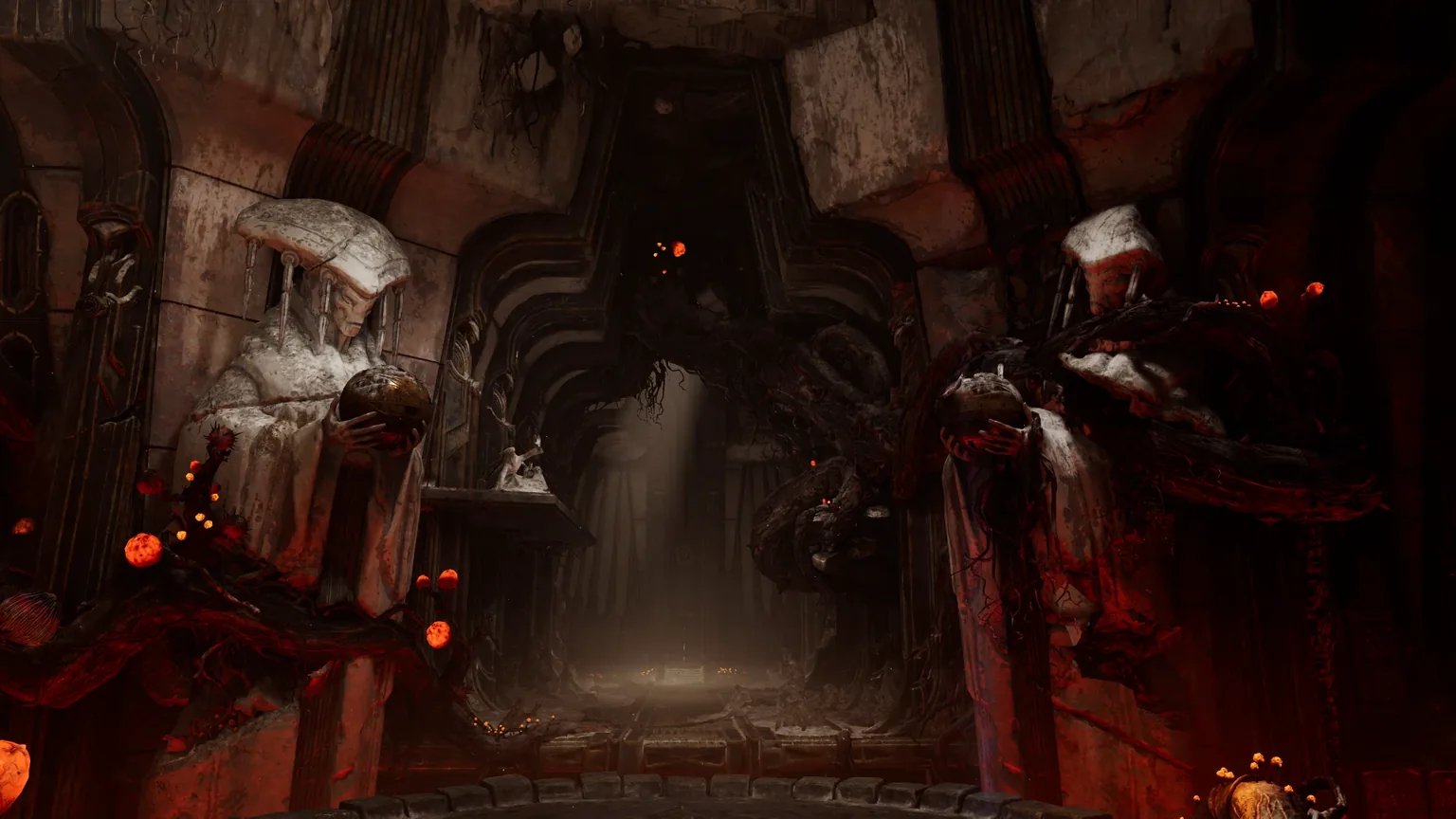 Jedi: Fallen Order · Imperial eraTomb of KujetZeffo funerary power, Malicos and MerrinExplore this location ↗
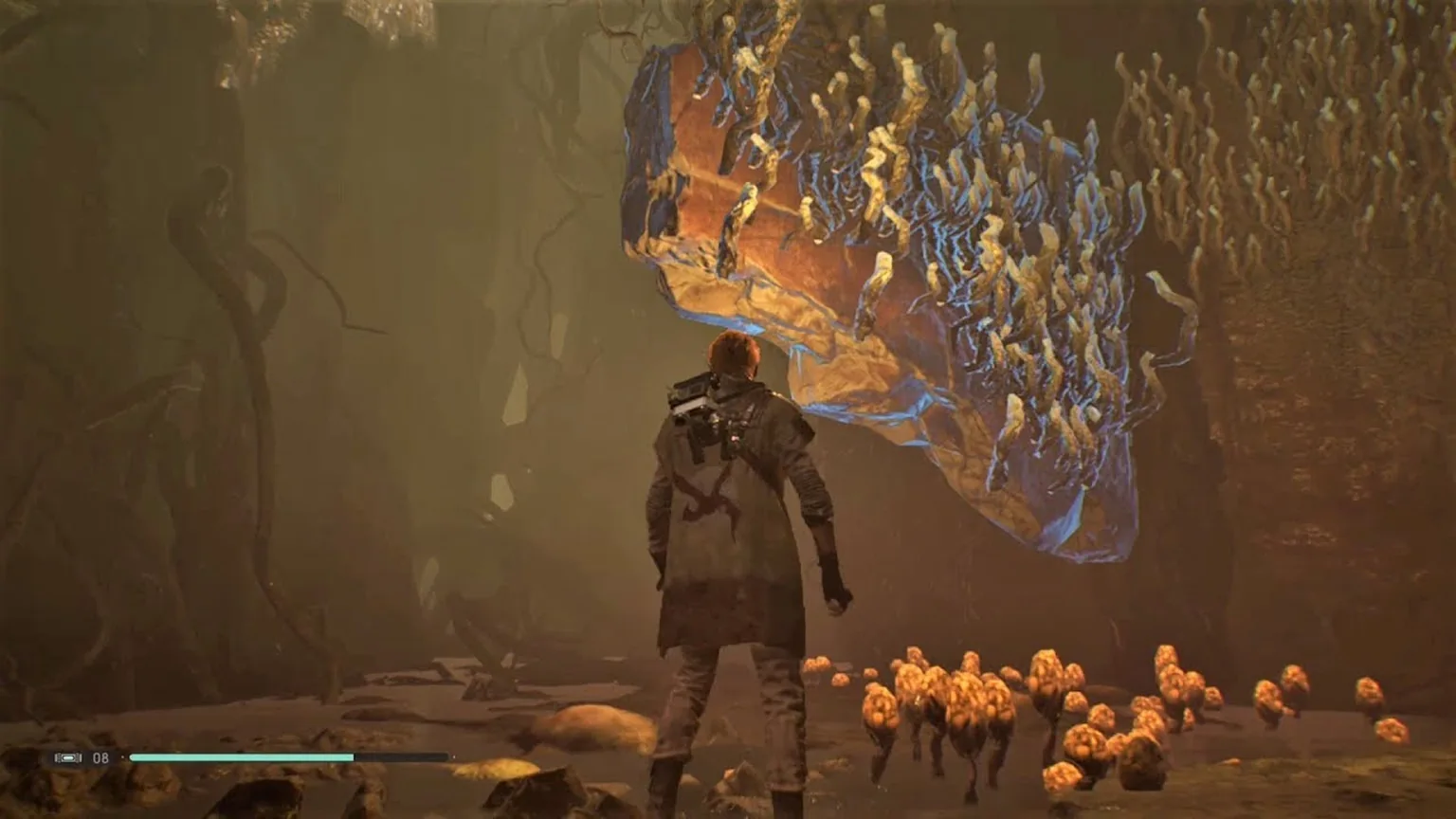 Jedi: Fallen Order · Imperial eraSwamp of SacrificeFungal wetlands, hazards and an abandoned arenaExplore this location ↗
 Jedi: Fallen Order · Imperial eraWitches HornHigh cliffs, ritual traces and Gorgara’s lairExplore this location ↗
Mentioned in this file